
Personal Protective Equipment Toolbox Talk Training and PPE Safety Meeting Topics
Personal protective equipment plays a critical role in reducing workplace injuries and protecting workers from daily job site hazards. This free Personal Protective Equipment Toolbox Talk directory helps crews understand proper PPE selection, inspection procedures, maintenance practices, and safe equipment use for different work environments. Each printable PPE safety PDF is designed for toolbox talks, workplace safety meetings, and crew training sessions.
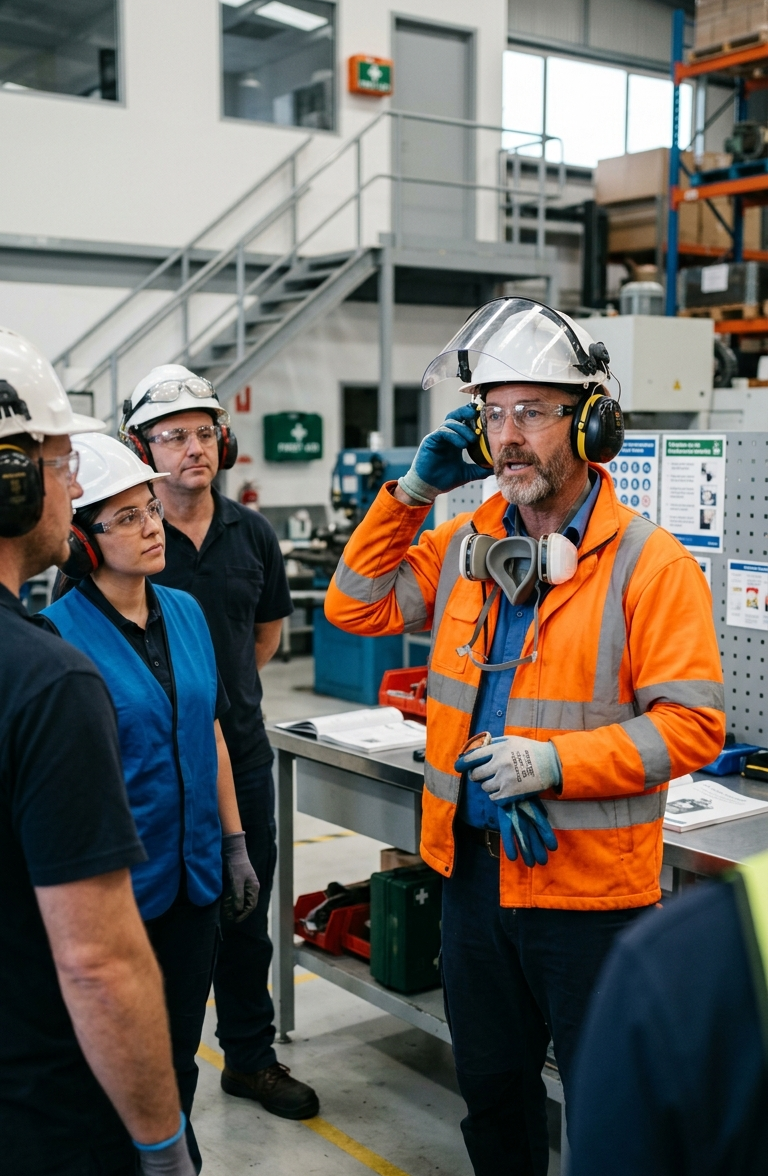
Workplace Safety Toolbox Talk Personal Protective Equipment Training and Meeting Topics
PPE Hazard Assessment Toolbox Talk | How to Identify Workplace Hazards Before Choosing Safety Gear
A PPE hazard assessment toolbox talk helps workers identify job-specific risks before selecting the right protective equipment. Learn how to evaluate workplace hazards, choose the appropriate personal protective equipment, and reduce the risk of injuries through proper hazard identification and daily safety inspections.
Eye Protection Toolbox Talk | Prevent Workplace Eye Injuries with the Right PPE
Protecting your vision starts with wearing the correct eye protection PPE for every task. This toolbox talk explains how safety glasses, chemical splash goggles, and impact-resistant eye protection help prevent serious eye injuries caused by flying debris, dust, chemicals, and hazardous work environments.
Chemical-Resistant Hand Protection Toolbox Talk | Choosing the Right Gloves for Hazardous Materials
Handling chemicals without proper protection can lead to serious skin injuries and long-term health risks. This chemical hand protection toolbox talk explains how to select the right chemical-resistant gloves, recognize glove limitations, and safely handle hazardous substances while reducing workplace exposure.
Cut-Resistant Hand Protection Toolbox Talk | Prevent Cuts, Scrapes, and Hand Injuries at Work
Your hands are one of your most valuable tools on the job. This cut-resistant glove toolbox talk covers how to prevent hand injuries, select the proper protective work gloves, and safely handle sharp tools, sheet metal, glass, and other materials that commonly cause cuts and abrasions.
Face Protection Toolbox Talk | Prevent Facial Injuries from Flying Debris, Chemicals, and Sparks
Face injuries can happen in seconds without the right protection. This face protection toolbox talk explains when to wear face shields, how they work alongside other personal protective equipment, and how proper face protection helps reduce injuries from flying particles, chemical splashes, sparks, and hot materials.
Foot Protection Toolbox Talk | Choosing the Right Safety Footwear for Every Job
Proper footwear helps prevent slips, crushing injuries, punctures, and other common workplace accidents. This foot protection toolbox talk explains how to choose protective safety boots, inspect footwear before use, and maintain proper traction and support for safer working conditions across different industries.
Head Protection Toolbox Talk | Protecting Workers from Falling and Impact Hazards
Head injuries can have life-changing consequences, making proper protection essential on every job site. This head protection toolbox talk explains how protective hard hats help reduce the risk of impact injuries, when head protection is required, and how regular inspections improve workplace safety.
Hard Hat Safety Toolbox Talk | Best Practices, Common Mistakes, and Proper Care
A hard hat only provides protection when it is worn, adjusted, and maintained correctly. This hard hat safety toolbox talk covers essential hard hat inspection, proper fit, storage, replacement guidelines, and common mistakes that can reduce the effectiveness of head protection.
Dust Mask Safety Toolbox Talk | Proper Respiratory Protection for Dust and Airborne Particles
Dust masks help reduce exposure to airborne particles, but they must be used correctly to provide effective protection. This dust mask safety toolbox talk explains when to wear dust masks, how to achieve a proper fit, and why respiratory protection is important when working around dust, wood particles, construction materials, and other airborne contaminants.
Best Practices for Using Personal Protective Equipment Every Day
Wearing PPE is only effective when it becomes part of a worker’s daily routine. Following these best practices helps improve workplace safety, extends the life of protective equipment, and reduces the risk of preventable injuries.
- Inspect PPE before every shift for cracks, tears, worn straps, damaged lenses, loose components, or signs of contamination that could reduce protection.
- Choose PPE that matches the specific job hazard, ensuring workers have the right level of protection for impacts, chemicals, electrical work, noise, dust, or sharp materials.
- Wear PPE correctly at all times by adjusting straps, securing closures, and checking that equipment fits comfortably without restricting movement or visibility.
- Keep protective equipment clean and properly stored to prevent contamination, premature wear, and unnecessary replacement costs.
- Report damaged or missing PPE immediately so it can be replaced before work continues, helping maintain a safer and more productive workplace.
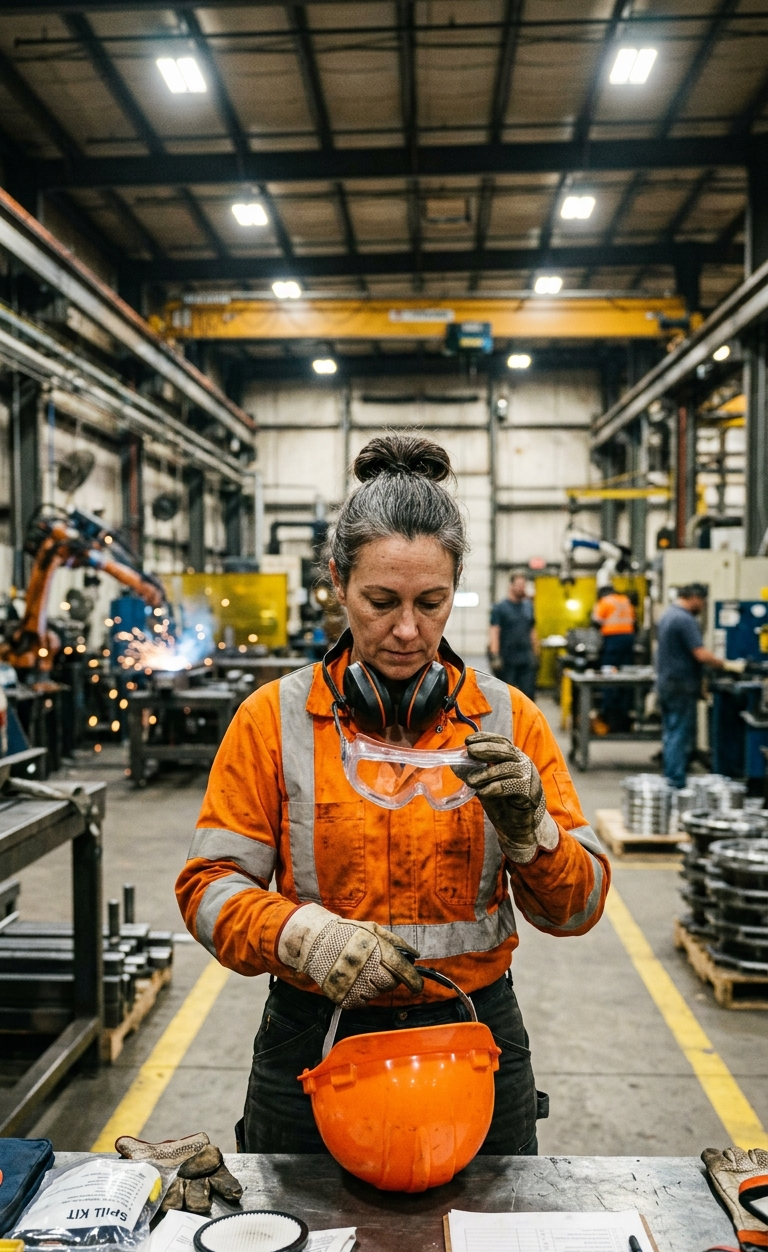
Trusted Resources to Improve PPE Knowledge and Workplace Safety
Providing PPE is only one part of creating a safer workplace. A successful personal protective equipment program includes ongoing training, regular equipment inspections, clear communication, and continuous improvement to help reduce injuries and improve employee confidence.
- Conduct routine workplace risk assessments to identify new hazards as job tasks, equipment, or work environments change. The National Institute for Occupational Safety and Health (NIOSH) offers practical guidance on identifying workplace hazards and selecting appropriate protective equipment:
- Encourage employees to report damaged PPE, near misses, and unsafe conditions as soon as they are identified. Creating a strong reporting culture helps prevent incidents before they become serious injuries.
- The National Safety Council (NSC) provides valuable workplace safety education and best practices.
- Keep written records of PPE inspections, employee training, and equipment replacement schedules. Good documentation helps organizations monitor trends and improve long-term workplace safety performance.
- The Center for Construction Research and Training (CPWR) shares free research and educational resources that support continuous workplace safety improvements.

Download Your Free Personal Protective Equipment (PPE) Toolbox Talk PDF
Protect your team with a free, easy-to-use Personal Protective Equipment (PPE) Toolbox Talk PDF designed for safety meetings, morning briefings, and employee training. Download, print, or share this practical resource to help workers understand proper PPE selection, inspection, fit, maintenance, and everyday workplace safety practices. Join thousands of safety professionals, supervisors, and employers who rely on ToolboxTalk.com for free, high-quality safety meeting topics and downloadable training materials that support safer workplaces and informed safety decisions.
Frequently Asked Questions About Personal Protective Equipment and PPE Safety Meeting Topics
A Personal Protective Equipment (PPE) toolbox talk is a short workplace safety meeting that teaches employees how to select, inspect, wear, maintain, and replace PPE correctly before starting work. These brief training sessions help workers recognize job-specific hazards, reduce the risk of workplace injuries, and reinforce safe work practices. Regular PPE toolbox talks also help strengthen safety awareness and encourage consistent use of protective equipment across construction sites, warehouses, manufacturing facilities, utilities, healthcare settings, and other industries.
An effective PPE safety meeting should cover the most common workplace hazards and the protective equipment needed for each task. Topics often include selecting the correct PPE, proper fit and sizing, daily inspections, cleaning and storage, equipment limitations, replacement guidelines, hazard assessments, and employee responsibilities. Including actual examples and hands-on demonstrations helps workers better understand how PPE protects them on the job and why consistent use is essential.
The frequency of PPE toolbox talk training depends on workplace hazards, job activities, and company safety programs, but many organizations conduct brief safety meetings weekly or before high-risk tasks begin. Additional training should be provided whenever new equipment is introduced, job hazards change, employees return after extended absences, or incidents reveal gaps in PPE knowledge. Regular refresher training helps improve worker confidence, reinforce safe behaviors, and support a proactive safety culture.
Inspecting Personal Protective Equipment before each use helps identify damaged, worn, contaminated, or expired equipment that may no longer provide reliable protection. Workers should check items such as hard hats, safety glasses, gloves, hearing protection, respirators, high-visibility clothing, protective footwear, and fall protection equipment for signs of wear or damage. Replacing defective PPE before work begins helps reduce injury risks, improves workplace safety, and ensures employees are prepared for the hazards they may encounter.
You can download a free Personal Protective Equipment Toolbox Talk PDF from ToolboxTalk.com to support workplace safety meetings, employee onboarding, supervisor training, and daily pre-job briefings. Our printable toolbox talks are designed to be practical, easy to understand, and suitable for a wide range of industries, helping organizations improve safety awareness while saving time preparing training materials. Whether you manage a small crew or a large workforce, these free resources make it easier to deliver consistent, engaging PPE safety training.