
Free Fall Protection and Fall Prevention Toolbox Talks for Workers
Falls remain one of the leading causes of serious workplace injuries on construction sites, maintenance projects, and elevated work areas. This free Fall Protection Toolbox Talk directory helps workers recognize fall hazards, use proper fall protection equipment, and follow safe working procedures at heights. Each printable fall protection PDF is designed for effective safety meetings, crew discussions, and workplace training.
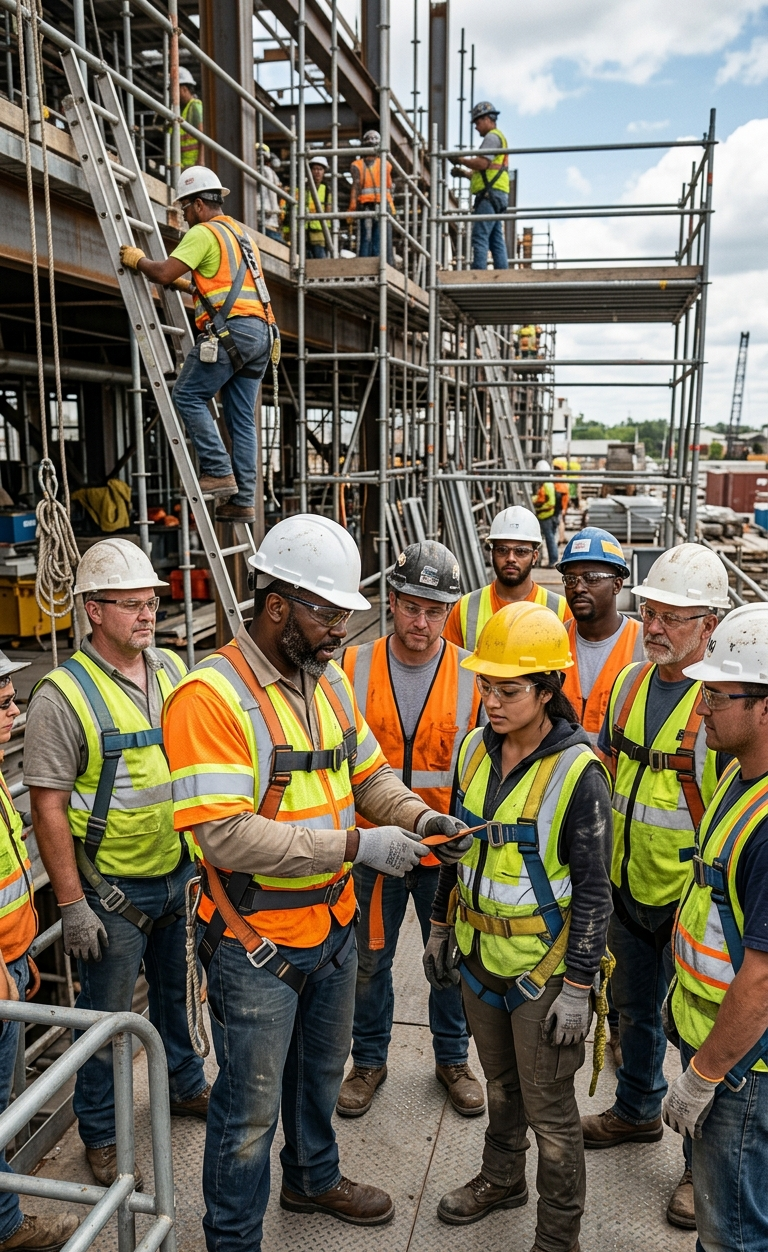
Fall Protection and Fall Prevention Safety Training Guide For Workers
Slips, Trips, and Falls Statistics Toolbox Talk: Workplace Injury Awareness Guide
This toolbox talk covers key workplace slip, trip, and fall statistics to highlight how often these incidents happen in construction and industrial environments. It helps workers understand real-world risks and reinforces simple prevention habits that reduce injuries and downtime. Ideal for safety meetings focused on hazard awareness and prevention culture.
Slips Prevention Safety Training: How to Reduce Workplace Slip Hazards Effectively
A practical safety briefing focused on identifying and controlling slip hazards in the workplace such as wet floors, oil spills, and uneven walking surfaces. This guide explains simple prevention strategies workers can apply immediately to reduce accident risks. Perfect for daily safety talks in high-traffic job sites.
Workplace Footwear Safety Toolbox Talk: Preventing Slips Through Proper Shoes
This toolbox talk explains how proper safety footwear plays a critical role in preventing slip and fall accidents at work. It highlights grip, tread design, and job-specific shoe selection for safer movement on hazardous surfaces. A must-have topic for improving PPE compliance and worker awareness.
Trip Hazard Prevention Toolbox Talk: Keeping Walkways Safe on Job Sites
A focused safety meeting guide on identifying and eliminating trip hazards such as loose cables, tools, clutter, and uneven flooring. It emphasizes housekeeping practices and hazard reporting to reduce workplace injuries. Designed for construction sites and industrial safety programs.
Full Body Harness Safety Toolbox Talk: Do’s and Don’ts for Fall Protection Gear
This toolbox talk explains the importance of guardrails as a primary fall prevention system in elevated work areas. It covers proper installation, inspection, and common mistakes that reduce effectiveness. Ideal for reinforcing awareness around physical fall protection systems.
Safety Lanyards Toolbox Talk: Proper Use and Common Mistakes to Avoid
This toolbox talk covers safe use of lanyards in fall arrest systems, including correct attachment points and shock absorption principles. It highlights critical do’s and don’ts to ensure maximum protection during elevated work. Great for reinforcing daily harness safety practices.
Fall Arrest Anchor Point Safety Toolbox Talk: Secure Connection Best Practices
A safety guide explaining how to properly select and use anchor points for fall arrest systems. It emphasizes load capacity, correct positioning, and inspection requirements before use. Designed to improve awareness of one of the most critical components of fall protection.
Fall Clearance Distance Toolbox Talk: How to Prevent Ground Impact in Falls
This toolbox talk explains how to calculate total fall clearance distance to prevent workers from striking the ground during a fall. It breaks down key factors such as lanyard length, deceleration distance, and anchor placement. Essential for planning safe work at height.
Floor Opening Safety Toolbox Talk: Protecting Workers from Hidden Fall Hazards
A focused safety briefing on securing holes, openings, and uncovered surfaces in walking and working areas. It highlights proper covering methods, warning signage, and inspection routines to prevent serious falls. Ideal for construction and maintenance environments.
Ladder Fall Prevention Toolbox Talk: Safe Use of Portable Ladders at Work
This toolbox talk provides practical safety tips for preventing falls when using portable ladders on job sites. It explains correct setup angles, three-point contact rules, and common ladder misuse errors. A must-read for reducing ladder-related injuries.
Why Regular Fall Protection Toolbox Talks Improve Workplace Safety Culture
- Consistent fall protection toolbox talks for construction and industrial workers help reinforce safe behaviors before work begins, reducing the chance of complacency during high-risk tasks. This ongoing safety communication builds stronger awareness of working-at-heights hazards, fall arrest system use, and site-specific risks that are often missed in formal training alone.
- For supervisors and safety managers, these short but focused discussions improve compliance with fall prevention safety programs, hazard identification procedures, and PPE usage standards, creating a proactive safety culture that reduces incidents and downtime across job sites.
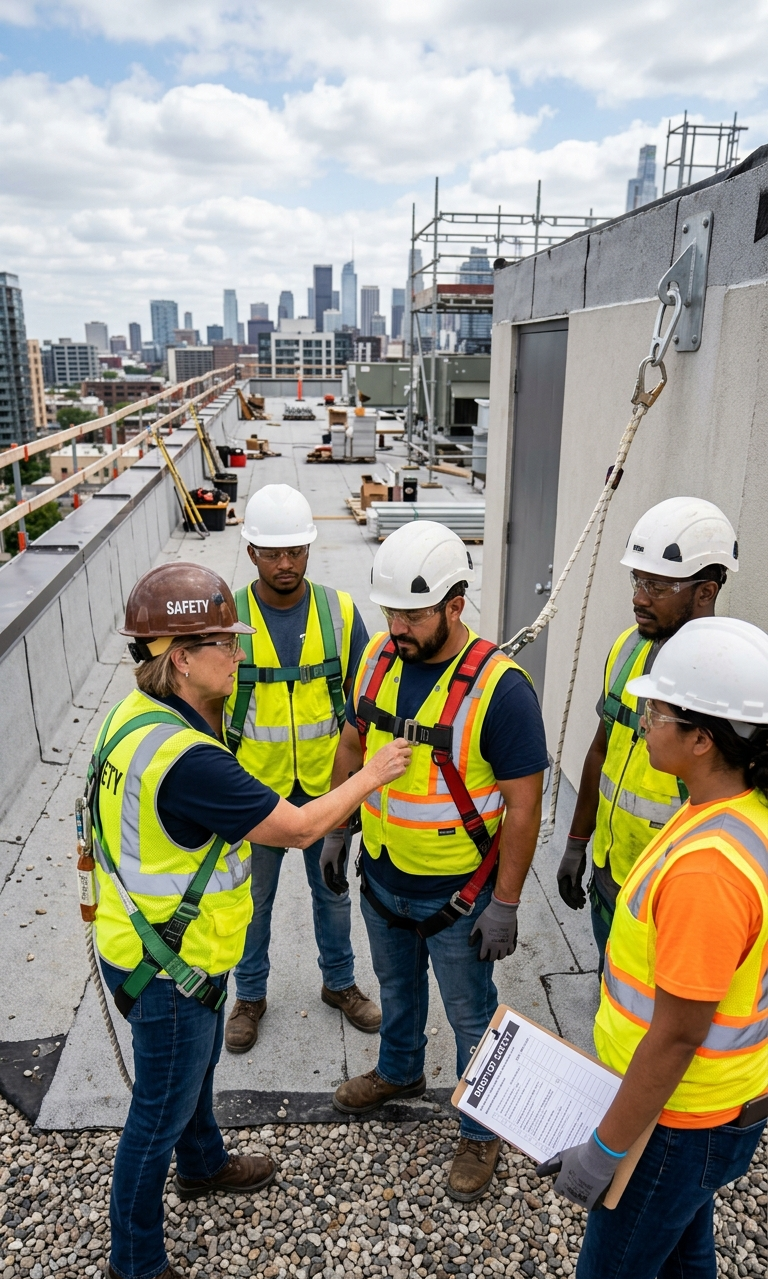
Key Benefits Workers Gain From Free Fall Prevention and Protection Toolbox Talks
- Workers gain practical, easy-to-apply knowledge from free fall prevention toolbox talk resources, including real-life hazard recognition skills for slips, trips, scaffolding risks, ladder misuse, and unprotected edges. This helps them make faster, safer decisions in dynamic job site conditions where risks change daily.
- These toolbox talks also strengthen confidence in using personal fall protection systems such as full body harnesses, lanyards, and anchor points, ensuring workers understand not just how to use equipment, but why correct usage directly prevents serious injuries and fatalities.
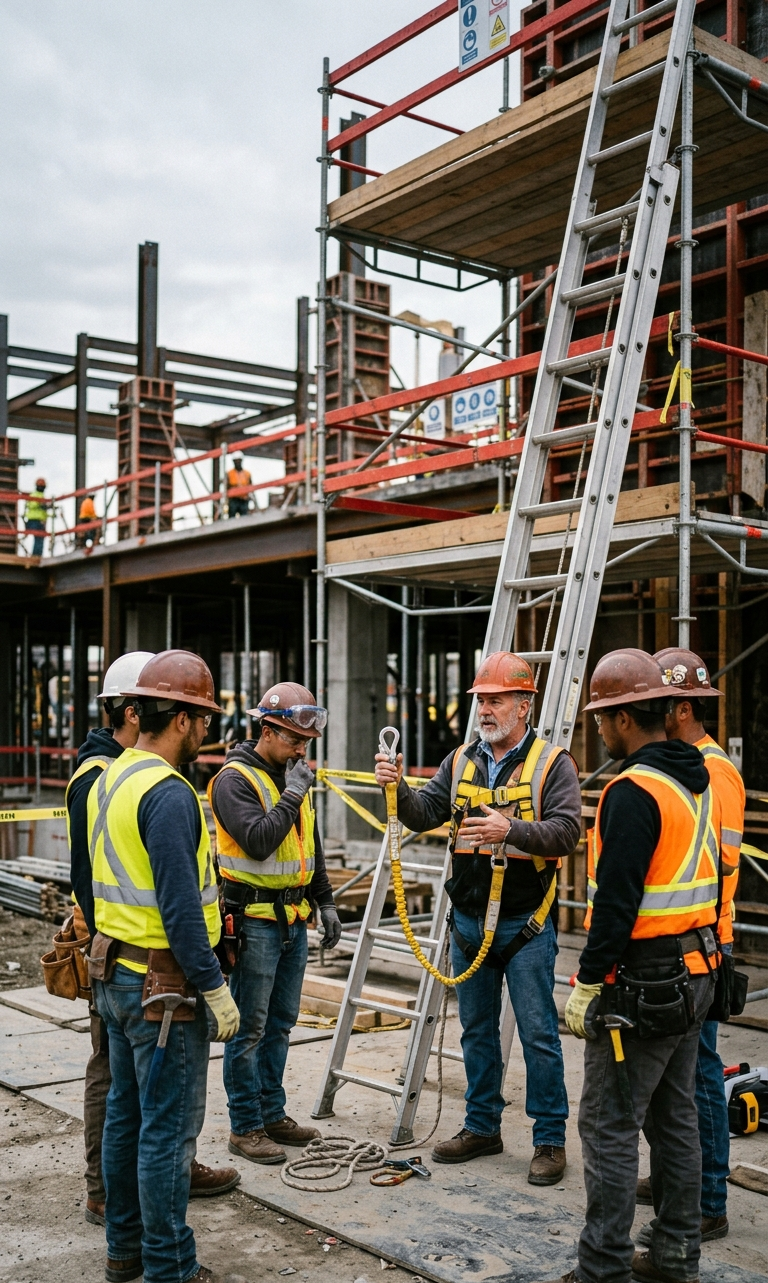
Compliance & Safe Work Practice Alignment for Fall Protection and Fall Prevention Toolbox Talks
These fall protection and fall prevention toolbox talks for workers are designed to support consistent alignment with modern workplace safety expectations, helping teams follow structured hazard control procedures, risk assessment practices, and working-at-heights safety standards. They encourage clear documentation of safety discussions, which improves accountability during inspections and daily site operations. By reinforcing proper use of personal fall arrest systems, ladder safety practices, scaffolding protection measures, and slip-trip-fall prevention controls, these toolbox talks help supervisors maintain safer, more organized job sites. This approach strengthens overall safety performance while supporting long-term injury reduction and improved operational reliability.
Free Downloads & Safety Action Tools for Fall Protection and Fall Prevention Toolbox Talks
Access free downloadable fall protection and fall prevention toolbox talk materials designed for supervisors, safety officers, and construction teams who need ready-to-use, site-friendly safety content. These resources include printable safety briefing guides, fall hazard awareness checklists, and working-at-heights toolbox talk templates that help simplify daily safety meetings and improve worker understanding on site.
These downloadable tools are built to support real-world job site conditions, making it easier to deliver consistent slip, trip, and fall prevention training, PPE reminders, and fall arrest system safety discussions without extra preparation time.
Frequently Asked Questions (FAQs) Free Fall Protection and Fall Prevention Toolbox Talks for Workers
Get clear answers about toolbox talks, safety topics, and training resources.
A typical fall protection toolbox talk for construction and industrial workers includes short, practical discussions on hazard identification, safe work practices, and proper use of PPE such as harnesses and lanyards. It also covers real-world risks like slips, trips, ladders, scaffolding, and unprotected edges to improve daily awareness on job sites. Many safety programs align these talks with research-based guidance on injury prevention from organizations like the National Safety Council workplace safety resources to support stronger safety culture and training effectiveness.
Fall prevention toolbox talks help workers recognize hazards early and make safer decisions before starting high-risk tasks such as working at heights or near openings. Regular safety discussions reduce complacency and improve communication between supervisors and crews, especially in fast-paced environments. Research from institutions such as the Centers for Disease Control and Prevention workplace safety studies shows that consistent safety communication significantly lowers injury risks in construction and industrial work.
For high-risk environments, daily or weekly fall protection safety meetings are strongly recommended, especially when tasks involve ladders, scaffolding, or elevated work areas. Frequent discussions help reinforce proper use of fall arrest systems, anchor points, and safe work procedures. Training frameworks from educational safety programs like the University of California safety training and extension programs highlight that regular reinforcement improves long-term safety behavior and compliance.
The most common causes include slippery surfaces, unprotected edges, improper ladder use, missing guardrails, and poor housekeeping practices. Fall protection toolbox talks focus on identifying these risks early and applying corrective actions such as improved signage, PPE use, and safe access planning. Additional safety research from organizations like the National Institute for Occupational Safety and Health helps guide best practices for preventing these incidents.
Workers gain practical knowledge on hazard recognition, proper PPE use, and safer decision-making in real job site conditions, especially when working at heights. Companies benefit from reduced injury rates, improved compliance with safety programs, and stronger workplace safety culture. Industry guidance and safety education frameworks from organizations such as the American Society of Safety Professionals support the use of structured toolbox talks to improve long-term safety performance.