
Free Lockout Tagout Safety Meeting Topics and Hazardous Energy Control PDFs
Unexpected equipment startup and stored energy hazards can cause serious workplace injuries during maintenance and servicing tasks. This free Lockout Tagout Toolbox Talk directory helps workers understand hazardous energy control procedures, safe shutdown practices, equipment isolation methods, and accident prevention techniques. Each printable Lockout Tagout PDF is available for workplace safety meetings, crew training, and daily toolbox talks.
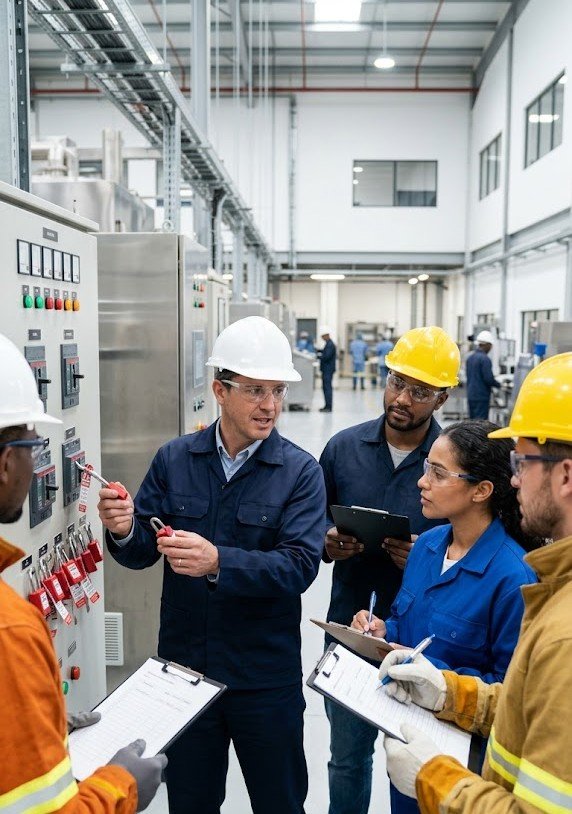
Printable Lockout/Tagout Toolbox Talks for Hazardous Energy Control Training
Lockout/Tagout Toolbox Talk: Why Energy Isolation Protects Every Worker
Unexpected machine startup can happen in any workplace where equipment is serviced or repaired. Learn how lockout/tagout safety procedures, hazardous energy control, and machine maintenance safety training help protect workers from serious injuries while creating a safer and more reliable work environment.
Lockout/Tagout Toolbox Talk: Understanding Different Types of Hazardous Energy
Hazardous energy is more than electricity, it can include hydraulic, pneumatic, mechanical, thermal, chemical, and stored energy. This toolbox talk explains how to recognize hazardous energy sources, improve energy isolation procedures, and strengthen workplace machine safety before maintenance begins.
Lockout/Tagout Toolbox Talk: Choosing the Right Energy Isolation Devices
Effective maintenance starts with properly isolating every energy source before work begins. Discover how energy isolation devices, machine lockout procedures, and equipment shutdown best practices help prevent unexpected equipment movement and reduce workplace hazards.
Lockout/Tagout Toolbox Talk: Using Locks Correctly for Equipment Safety
Lockout devices are only effective when they are used consistently and correctly. This safety meeting covers lockout device requirements, equipment lock safety, and machine maintenance protection to help workers prevent accidental energization during servicing and repairs.
Lockout/Tagout Toolbox Talk: Why Clear Communication Prevents Serious Incidents
Strong communication ensures everyone knows when equipment is being serviced and when it is safe to operate again. Learn practical lockout/tagout communication procedures, workplace safety coordination, and maintenance team communication strategies that reduce confusion and improve jobsite safety.
Lockout/Tagout Toolbox Talk: Group Lockout Procedures for Team Safety
When multiple workers perform maintenance on the same equipment, everyone must remain protected throughout the job. This toolbox talk explains group lockout procedures, multi-worker energy isolation, and team maintenance safety to help prevent accidental equipment startup.
Lockout/Tagout Toolbox Talk: Essential Safety Checks Before Starting Maintenance
Preparation is one of the most important parts of controlling hazardous energy. Learn how pre-maintenance safety inspections, lockout/tagout preparation checklists, and equipment shutdown verification help reduce risks before any repair or servicing begins.
Lockout/Tagout Toolbox Talk: Safe Energy Control for Motor Vehicles and Mobile Equipment
Vehicles and mobile equipment can store dangerous energy even after the engine is turned off. This toolbox talk explains vehicle maintenance safety, mobile equipment lockout procedures, and stored energy control to help technicians perform repairs safely.
Lockout/Tagout Toolbox Talk: Safe Testing and Equipment Repositioning During Maintenance
Some maintenance tasks require equipment testing before repairs are complete, making extra precautions essential. Learn the correct equipment testing procedures, temporary energy restoration, and safe machine repositioning practices to reduce risks while troubleshooting equipment.
Lockout/Tagout Toolbox Talk: What to Do When Lockout Devices Are Lost or Missing
Missing or damaged lockout devices should never be ignored because they can create unnecessary risks during maintenance. This toolbox talk discusses lost lockout device procedures, lock replacement best practices, and hazardous energy control management to keep workers protected.
Lockout/Tagout Toolbox Talk: Working Safely with Contractors During Equipment Maintenance
Contractors and host employers must work together to maintain consistent energy control practices. Learn how contractor safety coordination, shared lockout/tagout procedures, and worksite communication help everyone understand their responsibilities and reduce maintenance-related hazards.
Lockout/Tagout Toolbox Talk: Safe Practices for Cord-and-Plug Powered Equipment
Portable tools and cord-connected equipment can still present serious hazards during maintenance and repairs. This toolbox talk covers cord-and-plug equipment safety, portable electrical equipment maintenance, and electrical energy isolation procedures to help workers safely disconnect, inspect, and service equipment before returning it to operation.
Build a Strong Hazardous Energy Control Culture
A successful lockout/tagout program depends on more than written procedures. Every worker should understand how hazardous energy control, equipment isolation, and safe maintenance practices protect both employees and business operations. Building a culture where workers actively identify risks helps reduce downtime, improve productivity, and strengthen workplace safety.
- Perform a hazard assessment before servicing machinery to identify every possible source of stored or unexpected energy.
- Verify that all affected employees understand the equipment shutdown process before maintenance begins.
- Encourage workers to report damaged locks, tags, disconnect switches, or isolation devices immediately.
- Schedule regular refresher training to reinforce machine safety procedures and maintain consistent work practices.
- Learn more about workplace hazard identification from the National Institute for Occupational Safety and Health (NIOSH.
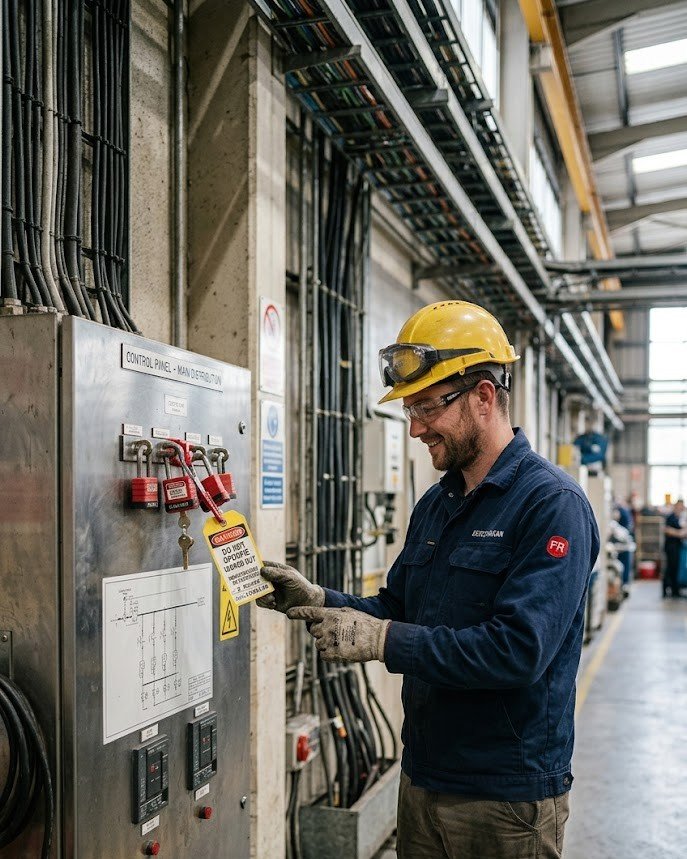
Best Practices for Continuous Lockout/Tagout Improvement
An effective energy control program should continue evolving as equipment, technology, and workplace processes change. Regular reviews help organizations improve maintenance safety, reduce preventable incidents, and demonstrate a long-term commitment to worker protection, qualities that safety equipment manufacturers, training providers, and industrial solution sponsors value.
- Review energy isolation procedures whenever new machinery or production equipment is installed.
- Conduct routine inspections to verify that lockout devices and isolation points remain in good working condition.
- Document lessons learned after maintenance activities to improve future servicing procedures.
- Encourage supervisors to perform periodic observations and coach employees on safe work practices.
- Explore additional workplace safety resources from the National Safety Council (NSC)
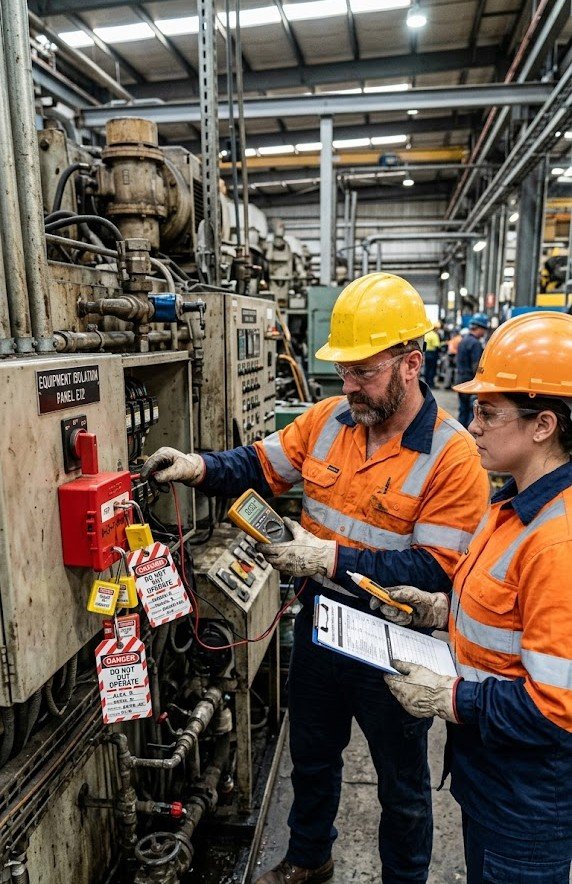
Download Your Free Lockout/Tagout Toolbox Talk PDF
Help your team stay prepared before every maintenance task with a free, printable Lockout/Tagout Toolbox Talk PDF designed for workplace safety meetings, daily toolbox talks, and employee training. This ready-to-use resource includes key hazardous energy control reminders and a crew sign-off sheet to document attendance, reinforce safe work practices, and support consistent safety communication across your jobsite.
Frequently Asked Questions About Lockout/Tagout Toolbox Talks
Get clear answers about toolbox talks, safety topics, and training resources.
Lockout/Tagout is one of the most effective ways to prevent serious injuries caused by machinery that starts unexpectedly during maintenance. Following lockout/tagout safety procedures, machine isolation practices, and equipment maintenance safety helps protect workers, reduce downtime, and create a safer work environment across manufacturing, construction, warehouses, utilities, and industrial facilities.
Any equipment that can release electrical, hydraulic, pneumatic, mechanical, thermal, chemical, or stored energy should have an appropriate energy control procedure before maintenance begins. Common examples include conveyor systems, production machines, pumps, compressors, generators, presses, electrical panels, industrial vehicles, and powered manufacturing equipment.
Many organizations include a Lockout/Tagout safety meeting as part of regular toolbox talks, especially before maintenance projects, equipment shutdowns, or work involving hazardous energy. Holding refresher discussions throughout the year helps reinforce safe work habits, improves hazard awareness, and keeps employees confident when performing equipment servicing and repairs.
An effective toolbox talk should explain how to identify hazardous energy sources, safely shut down equipment, isolate every energy source, apply lockout devices and warning tags, verify zero-energy conditions, communicate with affected workers, and safely restore equipment to service after maintenance is complete. Providing workers with a printable Lockout/Tagout Toolbox Talk PDF and sign-off sheet also helps standardize training and improve safety documentation.