
Free Handling and Storage Toolbox Talk Training | Safe Lifting and Workplace Safety Topics
Improper lifting, carrying, and material storage practices can lead to serious workplace injuries and strains. This free Material Handling and Storage Toolbox Talk directory helps workers improve safe lifting techniques, recognize handling hazards, prevent crush injuries, and maintain safer work areas during daily operations. Each printable material handling safety PDF is available for workplace safety meetings, crew discussions, and training sessions.
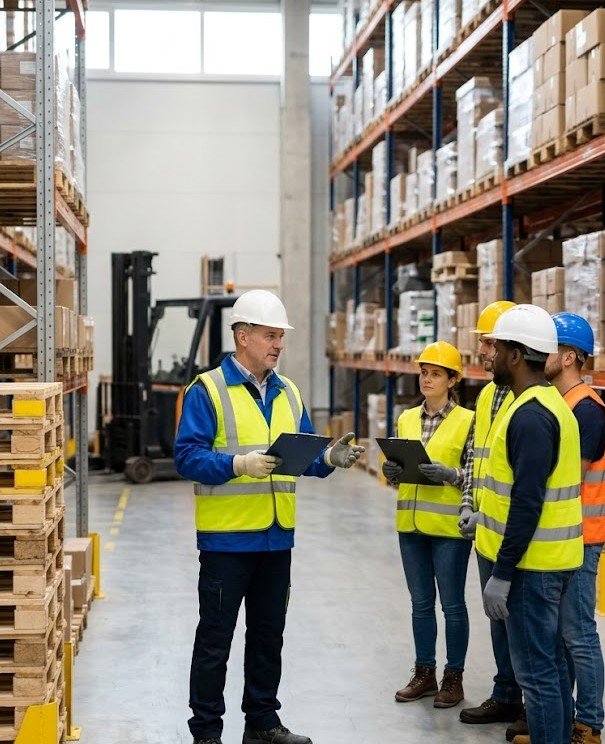
Material Handling and Storage Toolbox Safety Talks
Safe Sling Lifting Toolbox Talk: Best Practices for Material Handling and Rigging Safety
Learn how to safely use lifting slings when moving heavy materials in construction, manufacturing, warehouses, and industrial workplaces. This toolbox talk covers safe sling selection, load stability, rigging safety procedures, lifting equipment inspection, overhead lifting hazards, material handling best practices, and worker safety awareness to help reduce lifting accidents and equipment damage.
Sling Rigging Methods Toolbox Talk: How Different Rigging Configurations Affect Load Capacity
Understand how different sling rigging methods influence lifting capacity, load balance, and overall jobsite safety. This guide explains vertical, choker, and basket hitch configurations, rigging techniques, load distribution, lifting capacity calculations, safe hoisting practices, and crane lifting safety to help workers choose the safest rigging method for every lift.
Sling Angle Safety Toolbox Talk: How Sling Angles Impact Lifting Capacity
Small changes in sling angles can dramatically increase tension and reduce lifting capacity. This toolbox talk explains sling angle calculations, load tension, safe lifting angles, rigging planning, overhead load control, material handling hazards, and crane safety best practices so crews can prevent dropped loads and serious workplace injuries.
Wire Rope Sling Inspection Toolbox Talk: Identifying Damage Before Every Lift
Regular inspections help prevent lifting failures caused by worn or damaged wire rope slings. This toolbox talk teaches workers how to identify broken wires, corrosion, crushed strands, kinks, damaged fittings, lifting gear inspection procedures, preventive maintenance, and pre-use equipment checks before every lifting operation.
Alloy Steel Chain Sling Inspection Toolbox Talk: Preventing Lifting Equipment Failures
Proper chain sling inspections help ensure lifting equipment remains reliable and safe during heavy material handling operations. Learn how to recognize stretched links, cracks, excessive wear, damaged hooks, chain sling inspection requirements, lifting equipment maintenance, load handling safety, and rigging hazard prevention before each use.
Synthetic Web Sling Inspection Toolbox Talk: Preventing Wear, Cuts, and Lifting Hazards
Synthetic web slings can be damaged by sharp edges, chemicals, heat, and everyday wear if not inspected regularly. This toolbox talk explains how to identify frayed webbing, cuts, burns, chemical damage, damaged stitching, lifting sling inspection, safe rigging equipment, material handling safety, and pre-lift inspections to reduce lifting risks.
Overhead Crane and Hoist Inspection Toolbox Talk: Safe Equipment Checks Before Every Lift
Routine crane and hoist inspections help prevent equipment failures that can lead to serious workplace incidents. This toolbox talk covers overhead crane safety, hoist inspection procedures, lifting equipment maintenance, load testing awareness, crane operator safety, pre-operation inspections, mechanical hazard prevention, and safe material handling practices for safer lifting operations.
Mobile Crane Safety Toolbox Talk: Protecting Workers During Crane Operations
Working near mobile cranes requires careful planning, communication, and hazard awareness to prevent struck-by incidents and load failures. This toolbox talk discusses mobile crane safety, swing radius hazards, crane setup, ground stability, signal person communication, lifting zone safety, suspended load awareness, and construction material handling safety for every jobsite.
Forklift and Powered Industrial Truck Safety Toolbox Talk: Preventing Material Handling Accidents
Forklifts and powered industrial trucks are essential for moving materials, but improper operation can quickly lead to serious injuries. This toolbox talk covers forklift safety, powered industrial truck operation, pedestrian safety, load stability, warehouse traffic management, forklift inspection, operator awareness, material handling hazards, and safe equipment operation to improve workplace safety.
Palletized Material Safety Toolbox Talk: Safe Storage, Stacking, and Material Handling
Improperly stacked pallets can collapse, shift, or create serious struck-by hazards in warehouses and industrial facilities. Learn practical guidance on safe pallet stacking, load stability, warehouse storage safety, material storage best practices, pallet inspection, inventory handling, falling object prevention, and workplace organization to reduce incidents and protect employees.
Storage Rack and Shelving Safety Toolbox Talk: Preventing Collapses and Falling Objects
Storage racks and industrial shelving must be inspected and loaded correctly to keep workers safe and protect valuable inventory. This toolbox talk explains rack inspection procedures, shelving load limits, warehouse storage safety, structural damage identification, falling object prevention, pallet rack safety, material storage systems, and workplace hazard awareness for safer storage operations.
Safe Lifting Techniques Toolbox Talk: Proper Manual Material Handling to Prevent Injuries
Manual lifting injuries remain one of the most common workplace hazards, but many are preventable with proper techniques. This toolbox talk teaches safe lifting techniques, manual material handling, ergonomic lifting practices, back injury prevention, team lifting procedures, lifting posture, repetitive motion injury prevention, and workplace ergonomics to help workers lift smarter and stay injury-free.
Why This Material Handling Safety Topic Matters
Proper material handling is about more than simply moving heavy objects. Every lift, transport, storage task, or equipment inspection presents opportunities to prevent injuries, reduce equipment damage, improve productivity, and keep operations running efficiently. A strong safety culture begins with workers understanding both the hazards and the safe work practices before each task.
- Reduce the risk of struck-by incidents, caught-between hazards, dropped loads, and manual handling injuries by following proven lifting and storage procedures.
- Improve workplace efficiency by using proper lifting equipment, safe rigging practices, organized storage systems, and preventive equipment inspections before work begins.
- Encourage workers to report damaged slings, forklifts, cranes, racks, or lifting devices before they create serious workplace hazards.
- Strengthen communication between supervisors, operators, riggers, signal persons, and ground workers during every lifting operation.
- Learn more about safe material handling, ergonomics, workplace safety management, and injury prevention through the National Institute for Occupational Safety and Health (NIOSH): NIOSH Workplace Safety and Health Topics
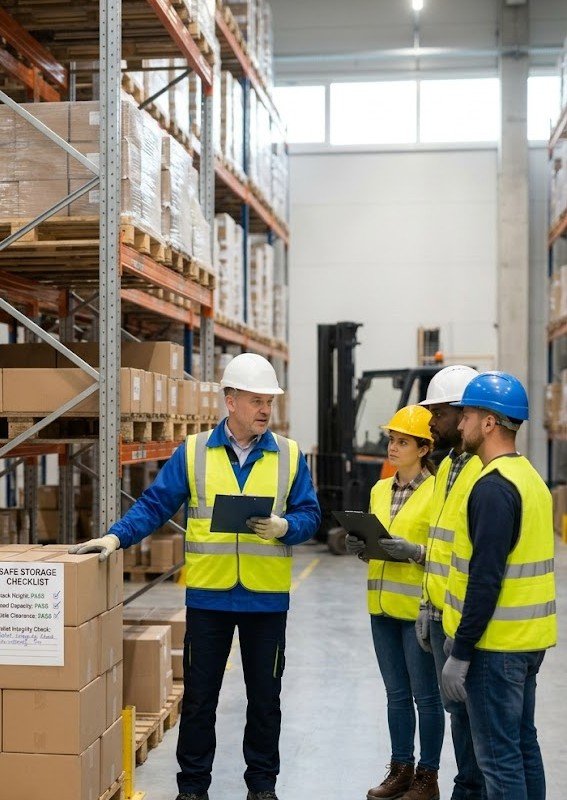
Common Material Handling Mistakes That Can Lead to Serious Workplace Injuries
Even experienced workers can develop unsafe habits over time, especially when deadlines, repetitive tasks, or routine work create a false sense of confidence. Reviewing these common mistakes during your toolbox talk helps crews recognize hazards before they result in injuries, equipment damage, or costly downtime.
- Skipping pre-use inspections of slings, forklifts, cranes, hoists, racks, or other lifting equipment can allow hidden defects to go unnoticed.
- Understanding load ratings and engineering principles is essential, and the Occupational Safety and Health Laboratory at Texas A&M Engineering Extension Service (TEEX) offers free workplace safety education and resources.
- Ignoring proper communication during lifting operations increases the likelihood of collisions, swinging loads, and struck-by incidents. The Center for Construction Research and Training (CPWR) shares practical research and guidance on improving communication and reducing construction-related hazards.
- Failing to keep aisles, loading areas, and storage zones organized creates unnecessary trip hazards and makes material handling more difficult.
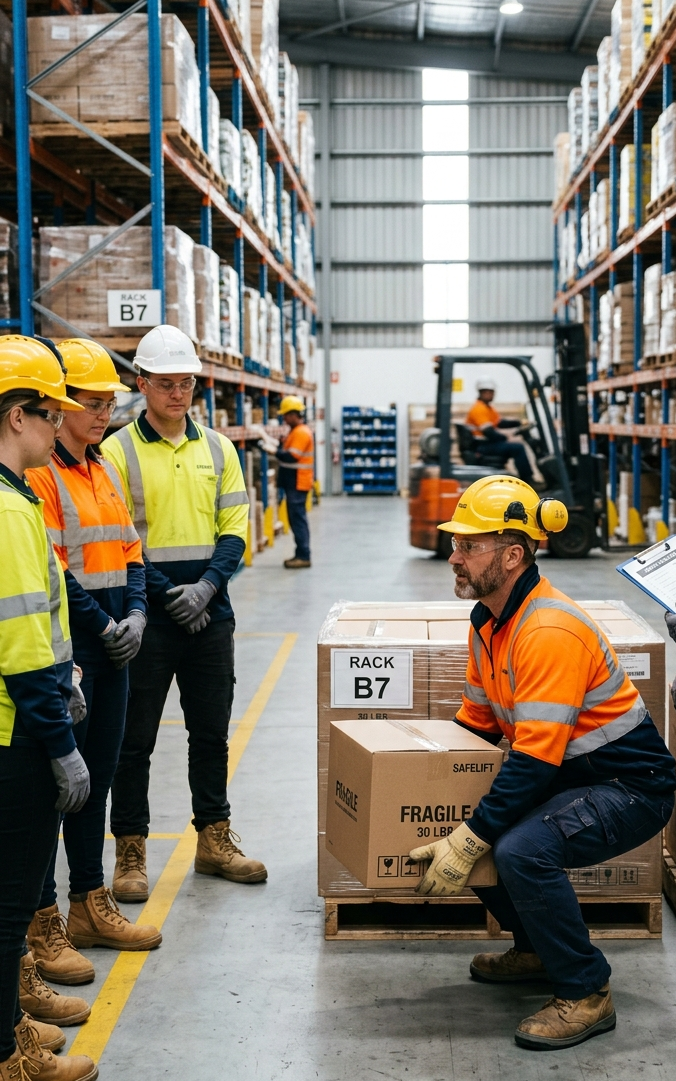
Get the Printable Material Handling Safety Meeting PDF
Looking for a quick, effective safety meeting resource? Download this print-ready Material Handling Toolbox Talk complete with practical safety reminders, discussion points, and an employee sign-off sheet to support regular workplace safety training and improve hazard awareness.
Frequently Asked Questions About Material Handling Toolbox Talk
Get clear answers about toolbox talks, safety topics, and training resources.
Material handling is the process of safely moving, lifting, storing, protecting, and transporting materials throughout a workplace. Effective material handling safety helps reduce lifting injuries, prevent dropped loads, improve productivity, protect equipment, and create a safer work environment in construction, manufacturing, warehousing, and industrial facilities. Regular toolbox talks help employees recognize hazards and reinforce safe work practices before every task.
Some of the most common material handling hazards include improper lifting techniques, overloaded slings, unstable loads, falling materials, forklift incidents, struck-by hazards, pinch points, poor storage practices, damaged lifting equipment, and cluttered work areas. Identifying these risks during daily safety meetings allows workers to take corrective action before accidents occur and helps build a stronger safety culture.
Workers can reduce the risk of injury by planning each lift, keeping loads close to the body, lifting with the legs instead of the back, avoiding twisting while carrying materials, using team lifting for heavy or awkward objects, and utilizing mechanical lifting equipment whenever possible. Performing pre-task assessments and following safe manual material handling techniques can significantly reduce back injuries, muscle strains, and repetitive motion disorders.
Inspecting slings, forklifts, cranes, hoists, pallet jacks, storage racks, and other lifting equipment before use helps identify wear, damage, or mechanical defects that could lead to equipment failure. Routine inspections improve workplace safety, reduce downtime, protect employees from serious injuries, and ensure materials are moved safely throughout the worksite. Preventive inspections are one of the simplest ways to avoid costly incidents.
Regular Material Handling Toolbox Talks keep employees informed about current workplace hazards, reinforce safe lifting procedures, improve equipment awareness, and encourage open communication about safety concerns. Consistent safety meetings help reduce workplace injuries, boost safety culture, improve compliance with company safety policies, and support safer material handling practices across construction sites, warehouses, manufacturing plants, and industrial workplaces.