
The Dark Side of Electricity Toolbox Talk: Understanding Electrical Hazards in the Workplace
Electricity is one of the most valuable tools in human history; and one of the most dangerous. Unintended contact with electrical current can burn tissue, disrupt the nervous system, stop the heart, and kill in seconds. An arc flash can cause catastrophic injury without any direct contact at all. This free toolbox talk on electricity hazards explains exactly what electrical energy does to the human body, why these hazards are so often underestimated, and what every worker on a construction site or in a general industry setting needs to know before the next shift.
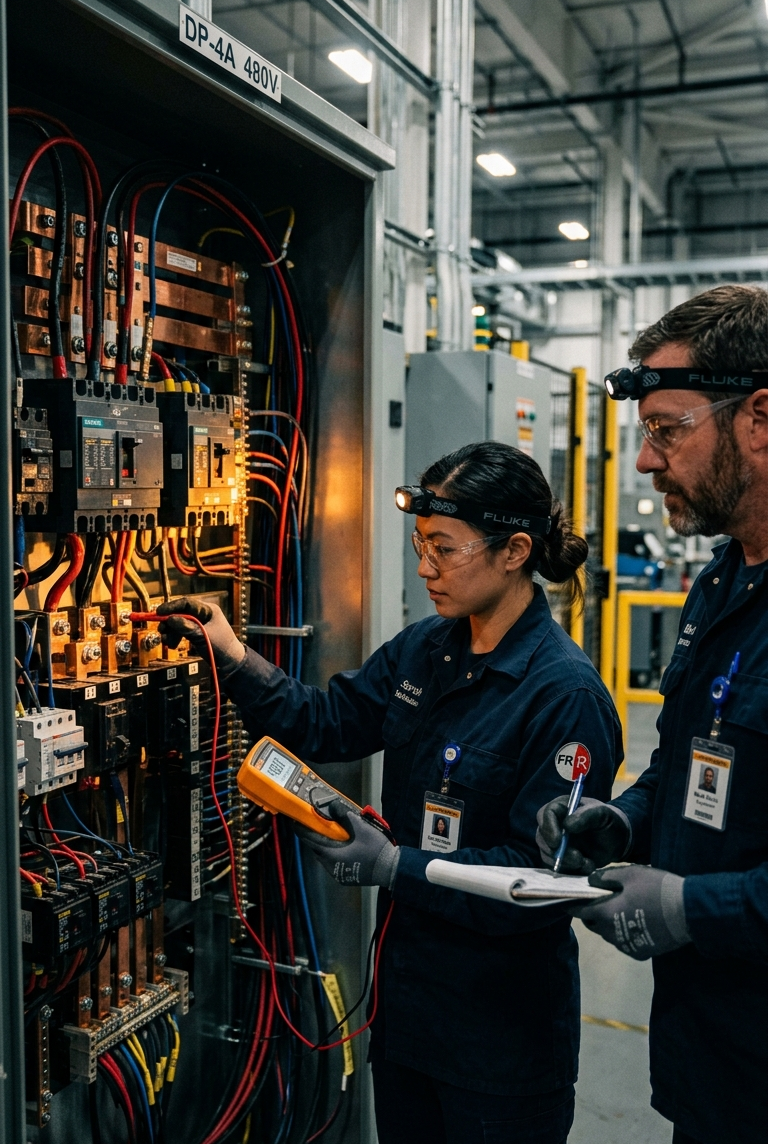
Basic Electrical Safety: The Dark Side of Electricity
One of the most important developments in human history has been the ability to harness electricity for practical use. At first, electricity was used mainly for lighting homes. Over time it became essential for powering factories, offices, job sites, heating and cooling systems, life-saving medical equipment, and the digital technology we rely on every day. In the future, it may even become the primary energy source for transportation.
But alongside those benefits comes serious risk. Electricity is invisible. You cannot see it moving through a conductor the way you can see a falling object or smell a gas leak. By the time you feel it, contact has already been made; and damage to the body has already begun.
Key fact for this safety meeting: Unintended contact with electrical current can result in severe injury or death. Electrical arc flashes can cause devastating burns and other catastrophic damage, without any direct contact with a conductor. Understanding these hazards is the first step in working safely around electricity.
Today's toolbox talk focuses on how electricity actually harms the human body and not just rules and regulations, but the physical reality of what happens when current goes where it shouldn't. Workers who understand the mechanism are far more cautious than workers who have simply been told to be careful.
Understanding How Electricity Affects the Human Body: Four Major Electrical Hazards
Electrical injuries are not rare events as they happen every day in actual workplaces and often occur when hazards are underestimated or overlooked. Electricity can seriously harm the body through burns, nervous system disruption, breathing failure, and arc flash explosions, even during routine tasks. Many injured workers believed the risk did not apply to them at that moment, which is why continuous electrical safety awareness and hazard recognition are critical for preventing workplace incidents.
What Does Electricity Can Do to the Body?
Below is an overview of the most common ways electrical exposure impacts the body and why recognizing workplace electrical hazards is essential for every employee.
- Burn Injuries: Heat generated by current causes visible entry/exit burns and severe internal tissue damage to muscles, nerves, and organs; often far worse than external wounds suggest.
- Nervous System: Current overrides the body’s own nerve signals, causing involuntary muscle contractions and loss of control; leading to falls and secondary injuries when working at height.
- Heart & Breathing: Electrical current can stop the muscles that control breathing and disrupt the heart’s electrical regulation, causing arrhythmia or cardiac arrest from even brief exposure.
- Arc Flash & Blast: Electricity traveling through air during a fault generates extreme temperatures, vaporizes metals, ignites clothing, and sends molten debris outward, and all in milliseconds.
Why Does Electricity Is Called the Silent Workplace Killer?
Understanding these risks is an essential part of electrical hazard awareness training and workplace safety.
- Invisible Hazards: Electrical energy cannot be seen, heard, or smelled. Damaged insulation, energized equipment, or wiring problems can expose workers to shock hazards without obvious warning signs.
- Instant Injury Risk: Electrical accidents happen in seconds. Even brief contact with electricity can cause severe burns, loss of muscle control, or cardiac arrest, leaving little time to react.
- Multiple Dangers at Once: A single electrical incident can lead to shock, arc flash burns, fires, or falls from height. Electricity often creates several hazards at the same time.
- False Sense of Safety: Just because equipment works does not mean it is safe. Regular inspections, reporting unsafe conditions, and following electrical safety procedures help prevent hidden workplace electrical hazards.
Electrical Injuries Explained: What Happens to the Body During Shock and Arc Flash Exposure
What Every Electrician Must Know and Practice?
These practices are not just for electricians. Anyone who works on or near a jobsite, uses power tools, works around electrical panels or overhead lines, or operates equipment connected to power is exposed to electricity hazards. OSHA's electrical safety standards apply to both qualified and unqualified workers, and the difference is the level of risk, not whether the rules apply.
Safe Work Practices — Do These
- Complete Lockout/Tagout (LOTO) procedures before any service, maintenance, or repair on electrical equipment, and verify de-energization with a properly rated meter.
- Wear arc-rated PPE appropriate to the incident energy level of the work area, standard workwear offers no protection from arc flash
Inspect all electrical tools, cords, and extension leads before use, look for damaged insulation, exposed wiring, bent prongs, or heat damage. - Know and maintain the correct approach boundaries; limited approach for unqualified workers, restricted approach for qualified personnel with PPE only.
- Work with a buddy near energized equipment; if a shock or arc flash occurs, you need someone present to call for help and initiate first aid.
- Seek immediate medical evaluation after any electrical contact, even if you feel fine, delayed cardiac and burn effects are well documented.
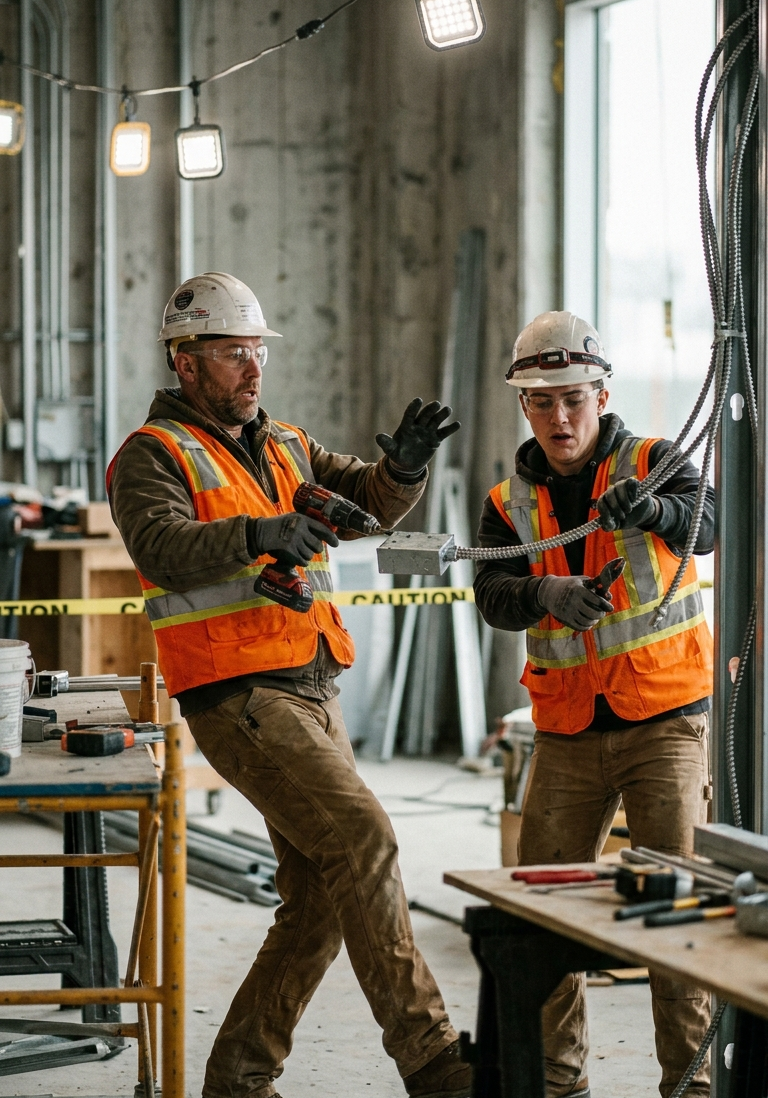
Electrical Hazard Awareness — Never Do These
- Never assume a conductor, panel, or piece of equipment is de-energized, always verify with the correct meter before working on or near it.
- Never work alone near energized systems, electrical shock can incapacitate instantly with no warning.
- Never bypass, modify, or remove safety equipment, GFCIs, arc fault breakers, guarding, and interlock systems exist to protect you.
- Never perform electrical repairs unless you are a qualified electrician authorized to do so, and report damaged equipment and let a qualified person handle it.
- Never enter a restricted approach boundary without an energized work permit, appropriate PPE, and management authorization
- Never rely solely on a switch to make equipment safe to work on and always de-energize and verify using LOTO procedures.
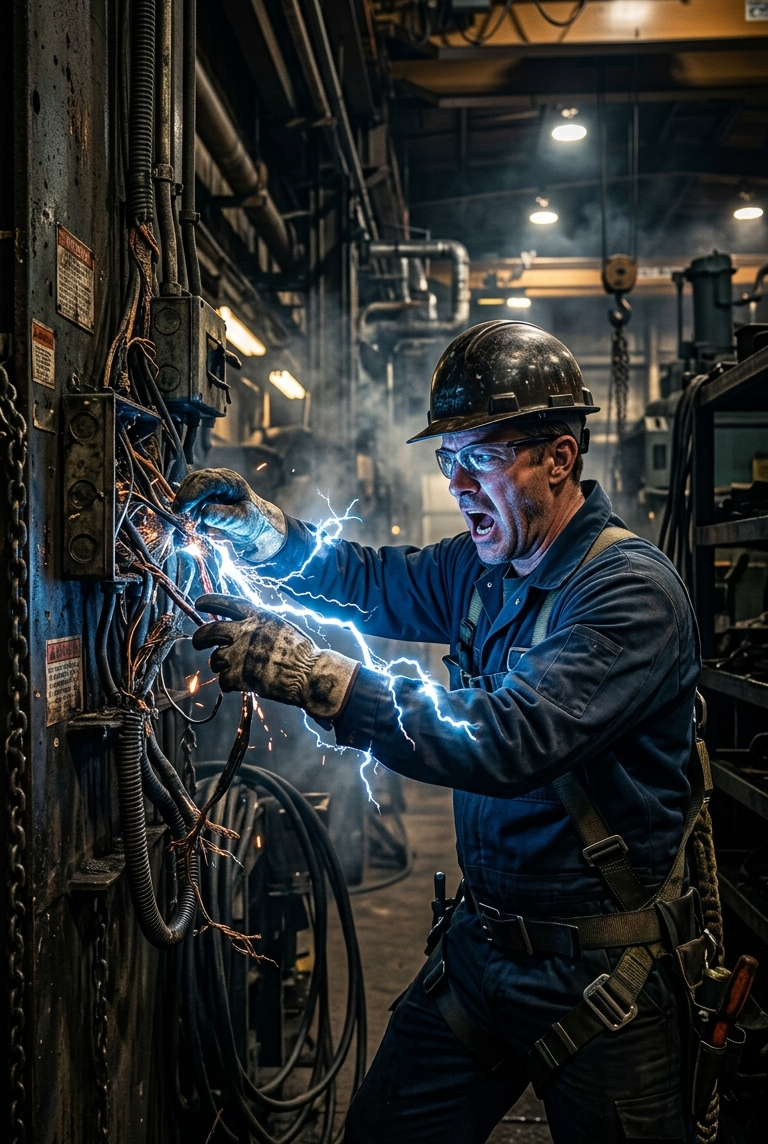
Discussion prompt for today's meeting: Does anyone have a short example or experience involving an electrical injury or arc flash incident they would like to share with the group? Real experiences from real workers stay with people far longer than statistics. This is a safe space for that conversation.
Before you leave today's safety meeting: Please sign the attendance and certification form on the back of the printed handout. Your signature confirms you participated in this electrical hazard awareness training and understand the hazards discussed. This record is kept on file for OSHA compliance documentation. In upcoming toolbox talks, we will go deeper into specific safe work practices, arc flash boundaries, LOTO procedures, and electrical PPE selection.
Electrical Safety Standards: Toolbox Talk Hazards in the Workplace
Toolbox talk requires that workers exposed to electrical hazards receive training on those hazards before they begin work. This toolbox talk on electricity hazards supports that requirement by documenting that your crew has been informed about the physical effects of electrical current, arc flash hazards, and basic safe work expectations, and that attendance has been recorded. As toolboxtalk.com guidance notes, this kind of documented safety meeting supplements mandatory formal training and helps maintain ongoing hazard awareness between training cycles.
Continue building your crew's electrical hazard awareness with these related safety meeting topics
Download This Printable Electrical Safety Toolbox Talk
Access a print-ready electrical safety talk designed to help workers recognize electricity hazards and prevent workplace incidents. The downloadable PDF includes a ready-to-use employee sign-off sheet, making it simple to document safety training and toolbox talk participation. Use it at your next electrical safety meeting. No registration required, no hidden fees, and always free to support safer workplaces.