
Electrical Cord Repair Safety Toolbox Talk: Dangers of Using Electrical Tape for Cord Splicing and Temporary Fixes
It might seem like a reasonable fix, wrap a frayed or damaged power cord with electrical tape and keep working. After all, it is called “electrical tape.” But electrical safety standards are clear: electrical tape is not an approved method for repairing damaged flexible cords or splicing cords together. This free electrical cord repair safety toolbox talk explains exactly when a cord must be removed from service, why electrical tape fails to restore safe conditions, how approved cord splicing actually works, and what every worker must do when they find a damaged cord on the job.
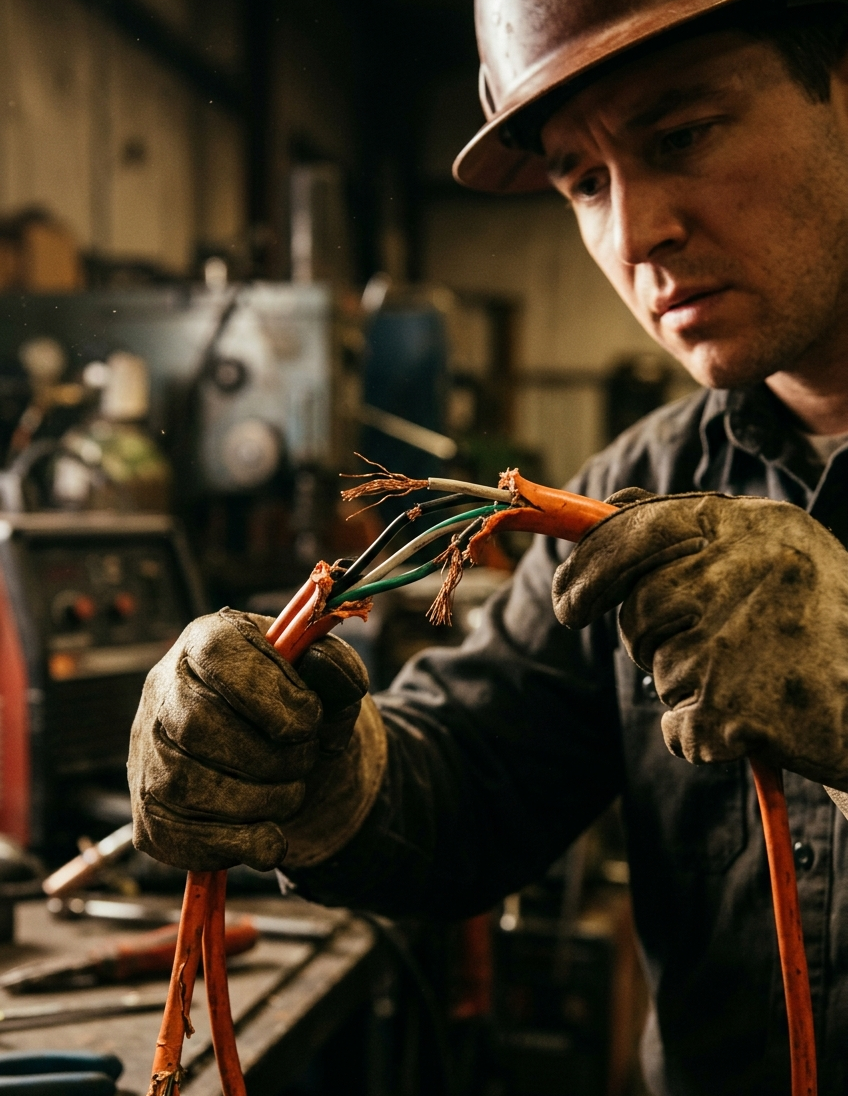
Basic Electrical Safety: Don't Use Electrical Tape to Repair or Splice Cords
Read the full toolbox talk below, or download the print-ready PDF version with the employee sign-off sheet included.
When you spot a frayed power cord, a cut outer jacket, or a cord that's been bent so many times the insulation is cracking, the instinct for many workers is to grab a roll of electrical tape and wrap it up. It seems practical — the tape is right there, it's called "electrical tape," and it takes about 30 seconds. But that quick fix creates a hazard that the original cord was specifically engineered to prevent.
The bottom line on electrical cord repair safety: Electrical tape is not an approved method for repairing damaged flexible cords or for splicing cords together, regardless of how the cord was damaged, how minor the damage appears, or how long the tape-wrapped cord has been in service without incident. An unapproved cord repair is an unsafe cord.
When a Flexible Electrical Cord Must Be Removed from Service
A flexible electrical cord must be removed from service if it is damaged or unsafe.This includes cuts or wear on the outer jacket, exposed or frayed wires, or any internal damage. Cords that have been repaired with electrical tape should also be taken out of service.Damage to the plug such as bent prongs, corrosion, or loose connections also means the cord should not be used.Some damage is not visible so any doubtful cord should be removed and checked by a qualified person.
Why Electrical Tape Is Not an Approved Repair Method
Understanding why tape fails as a cord repair is the key to understanding why this rule exists, and why it applies even when the damage looks minor.
The "approved cord" standard: Safety regulations require that flexible cords be "approved" meaning they must maintain the design and construction standards established by the original manufacturer. That approval covers the cord's materials, mechanical strength, flexibility, insulation properties, and grounding conductor performance. A tape repair changes the cord's physical behavior and cannot replicate any of those original standards.
Electrical Tape Repair vs. Approved Cord Replacement
Electrical Tape Repair
- Using electrical tape to repair a damaged cord changes the flexibility of the cable and can create weak stress points that are more likely to fail during normal use.
- It does not bring back the original insulation thickness or the electrical protection strength needed to safely contain current.
- Over time, the tape can loosen, dry out, or fall off especially when exposed to heat or repeated movement.
- It cannot properly restore the grounding conductor, which is critical for protecting users from electric shock.
- Instead of fixing the real problem, electrical tape only hides the damage and gives a false sense of safety.
- Because of these limitations, a cord repaired with electrical tape is not considered restored to a safe or approved working condition.
Proper Repair or Replacement
- The cord is either repaired using an approved professional method or replaced entirely to ensure it is safe for continued use in the workplace.
- The original insulation strength and flexibility are fully restored so the cord can perform as intended without added risk of failure.
- The continuity of the grounding conductor is properly checked and verified after the repair to ensure shock protection is fully maintained.
- All repair work is completed by a professional using an approved splice kit or manufacturer approved method when repair is allowed.
- The cord is only returned to service after a proper inspection confirms it is safe and suitable for use under working conditions.
- The final result ensures the cord meets the original manufacturer design standards for safety, performance, and reliability.
When you wrap a damaged cord with electrical tape, you are covering the problem and not fixing it. The underlying damaged insulation, weakened conductors, or compromised outer jacket are still there. Heat from normal use, continued flexing, and environmental exposure will continue to degrade the cord beneath the tape, often faster than the surrounding undamaged sections. Because the tape hides the damage from view, the hazard becomes harder to identify and more likely to go unreported until a shock, burn, or fire occurs.
How Flexible Electrical Cords Can and Cannot Be Spliced?
Not all cord damage requires replacement, but when splicing is permitted, the method matters. Simply wrapping a cord section with electrical tape is never an acceptable splice, regardless of cord gauge or damage type.
Know the gauge rules before any splice is attempted: Cord gauge determines whether a splice is even permitted; and this rule is non-negotiable. Getting this wrong creates an unsafe cord splice hazard that endangers everyone who uses that cord.
What to Do When You Find a Damaged Electrical Cord
The rule for every worker on this jobsite: If you find a damaged, frayed, cut, or previously taped electrical cord — do not tape it, do not continue using it, and do not leave it for the next person to deal with. Remove it from service immediately and report it through the correct channel. That is the complete and correct action.
Simple Steps to Take When You Discover a Damaged Power Cord
- Stop using the cord immediately. Unplug it from the outlet or power source. Do not set it aside still plugged in or leave it where another worker might pick it up and continue using it.
- Tag it or mark it as out of service. Use a tag, label, or flagging tape that clearly identifies the cord as damaged and not to be used. This prevents it from being put back into service accidentally before it is repaired or replaced.
- Report it to your supervisor, maintenance personnel, or safety representative. Describe where it was found and what type of damage you observed. The reporting step is what triggers the correct repair or replacement process, without it, the cord may be returned to service in its damaged state.
- Allow qualified personnel to handle the repair decision. A licensed electrician or qualified maintenance person will determine whether the cord can be repaired using an approved method or must be replaced. Do not attempt to repair it yourself unless you are specifically qualified and authorized to do so.

Things You Must Never Do With a Damaged Electrical Cord
- Never wrap a damaged electrical cord with tape and return it to service because this is not a proper repair and it only hides a serious electrical hazard.
- Never attempt to splice a cord or perform electrical cord repair unless you are a qualified electrician using an approved splice kit and officially authorized to do the work.
- Never continue using a damaged electrical cord that has been taped, even if it looks neat or appears to be working normally, because hidden internal damage may still be present.
- Never treat a temporary tape fix as safe for short term use because even a few minutes of unsafe operation can lead to serious electrical injury or shock.

Before you leave today's safety meeting: Please sign the attendance and certification form on the back of the printed handout. Your signature confirms you participated in this electrical cord repair safety training and understand the hazards discussed.
Are there any questions or comments about today's discussion on damaged or spliced electrical cords? Thank you for attending today's toolbox talk.
Toolbox Talk Electrical Safety Standards Covering Cord Repair and Splice Safety
Toolbox Talk electrical safety standards require that flexible cords be maintained in a safe condition and that only approved repair methods be used when damage occurs. An improperly repaired cord, including any cord wrapped with electrical tape; fails to meet these standards and creates direct citation exposure under multiple electrical safety regulations. This toolbox talk supports employer compliance by documenting that workers have been trained on electrical cord repair safety and electrical hazard prevention before an inspection or incident occurs.
Explore Related Electrical Safety Toolbox Talks
Download This Electrical Cord Repair Safety Toolbox Talk Free
Get a print-ready electrical safety PDF designed for quick use during toolbox talks, safety meetings, and onsite training sessions. This resource includes a clear employee sign-off sheet to support compliance and recordkeeping for workplace electrical safety programs.