
Sealing Electrical Panel Openings Safety Toolbox Talk
An open knockout hole in an electrical box, a missing breaker in a panel, or a damaged cover on a junction box may look like a minor maintenance issue, but each one is a recognized electrical safety hazard. This free toolbox talk explains why open holes in electrical panels and boxes are dangerous, what can happen when they go unreported, and what every worker must do when they spot an unsealed electrical opening on the job.
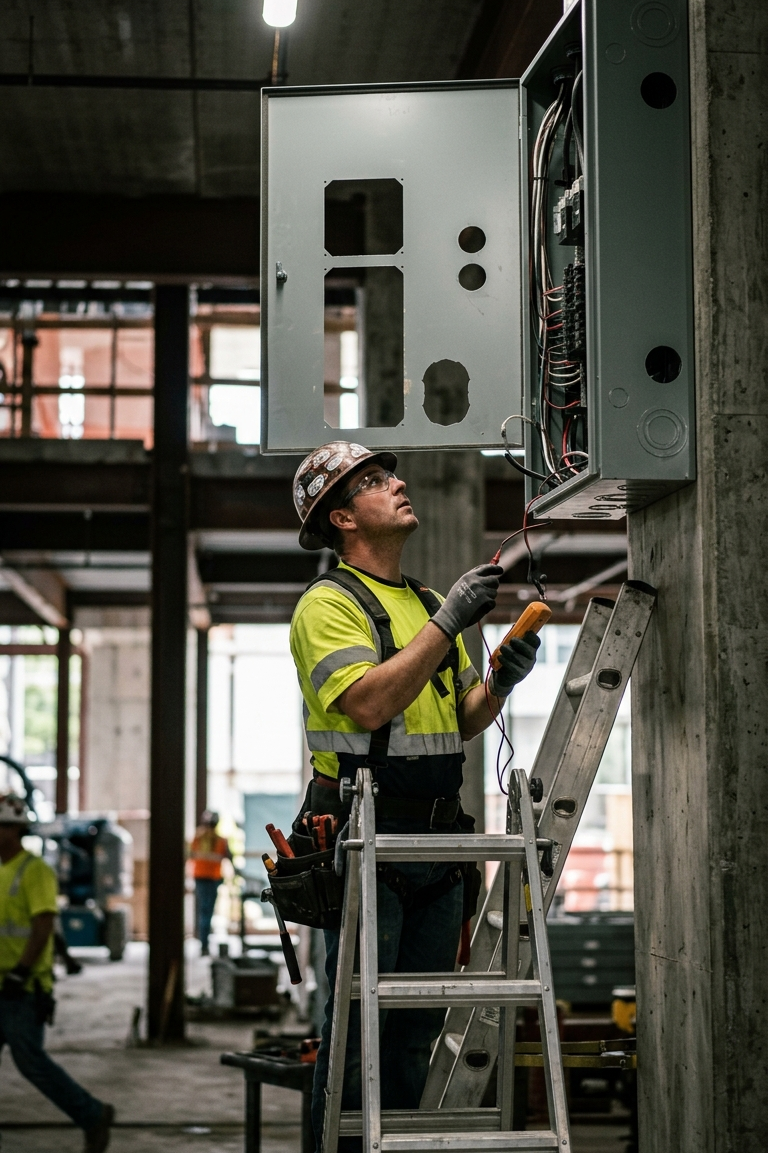
Why Sealing Electrical Panel Openings Is Important for Workplace Safety
You may occasionally notice a damaged or missing cover on an electrical outlet, junction box, or breaker panel. Sometimes there is an open "knockout" hole on the side of an electrical box; a pre-stamped circular opening that was punched out during installation but never fitted with a conduit connector or sealing plug. Other times, a breaker panel may have an empty slot where a circuit breaker is missing. These conditions might seem like minor maintenance items, but each one represents a genuine electrical safety hazard that must be corrected.
Don't assume it's harmless: Electrical boxes and panels contain energized components that can cause severe injury or death if accidental contact occurs. An open hole is a direct pathway to those energized parts for people, tools, conductive debris, moisture, and pests.
Most workers would never intentionally reach into an electrical panel or open box. However, accidents happen in ways no one plans for. A metal tool or piece of conduit can slip from a hand and fall into an open panel. A wire draped over a box edge can shift and contact energized parts through an unsealed knockout. A conductive fastener dropped near an open enclosure can bridge a live terminal. The result leads to electric shock, arc flash, or electrical fire that can occur in an instant, without any deliberate action on anyone's part.
What are knockout holes? Electrical enclosures are manufactured with pre-formed "knockouts", circular sections in the metal that can be removed to allow conduit or wire to enter the box. When a knockout is removed but no conduit is installed, that open hole must be sealed with an appropriate electrical knockout plug or seal. Leaving it open violates both Toolbox Talk electrical panel safety requirements and NEC electrical enclosure requirements.
Common Hazards Caused by Unsealed Electrical Panel Openings
Shock & Electrocution Risk
Moisture & Corrosion
Combustible Debris
Pests & Animal Intrusion
Electrical Panel Opening Safety Requirements and Best Practices
These are not theoretical situations. Open holes in electrical panels and boxes contribute to the kinds of incidents that happen on real jobsites every year.Important: In many of these scenarios, the electrical enclosure appears to be functioning normally especially when the lights are on, equipment is running, nothing seems wrong. That's what makes open electrical enclosures so dangerous: the hazard is invisible until the moment something goes wrong.
Choosing the Right Materials for Electrical Panel Protection: What Your Worker Must Know and Do?
✅ The single most important rule: If you spot any open hole, missing cover, unsealed knockout, or empty breaker slot in an electrical panel or enclosure and do not attempt to repair or seal it yourself unless you are a qualified electrician authorized to work on that equipment. Report it immediately to your supervisor, safety representative, or a qualified electrician so the hazard can be corrected properly.
Electrical Panel Safety: Open Holes and Enclosure Inspection
- During your pre-task safety walkthrough, take a moment to visually inspect all electrical boxes, junction boxes, and panel covers in your work area for any open knockout holes, missing filler plates, damaged covers, or enclosures that do not close properly.
- If you find any unsealed electrical opening, report it immediately to your supervisor or safety representative and clearly explain the location, type of enclosure, and the condition you observed so it can be corrected quickly.
- When directed by your supervisor, help prevent access to the area by using warning tape or barricades around open or damaged electrical enclosures until a qualified electrician can complete the repair.
- Pay extra attention to open electrical enclosures in areas exposed to moisture, dust, debris, pests, or heavy jobsite activity, since these conditions increase the risk and urgency of repair.
- While working near any panelboard or electrical enclosure, keep tools, fasteners, wire scraps, and other conductive materials well away from open panel faces and knockout openings to reduce electrical hazard risk.
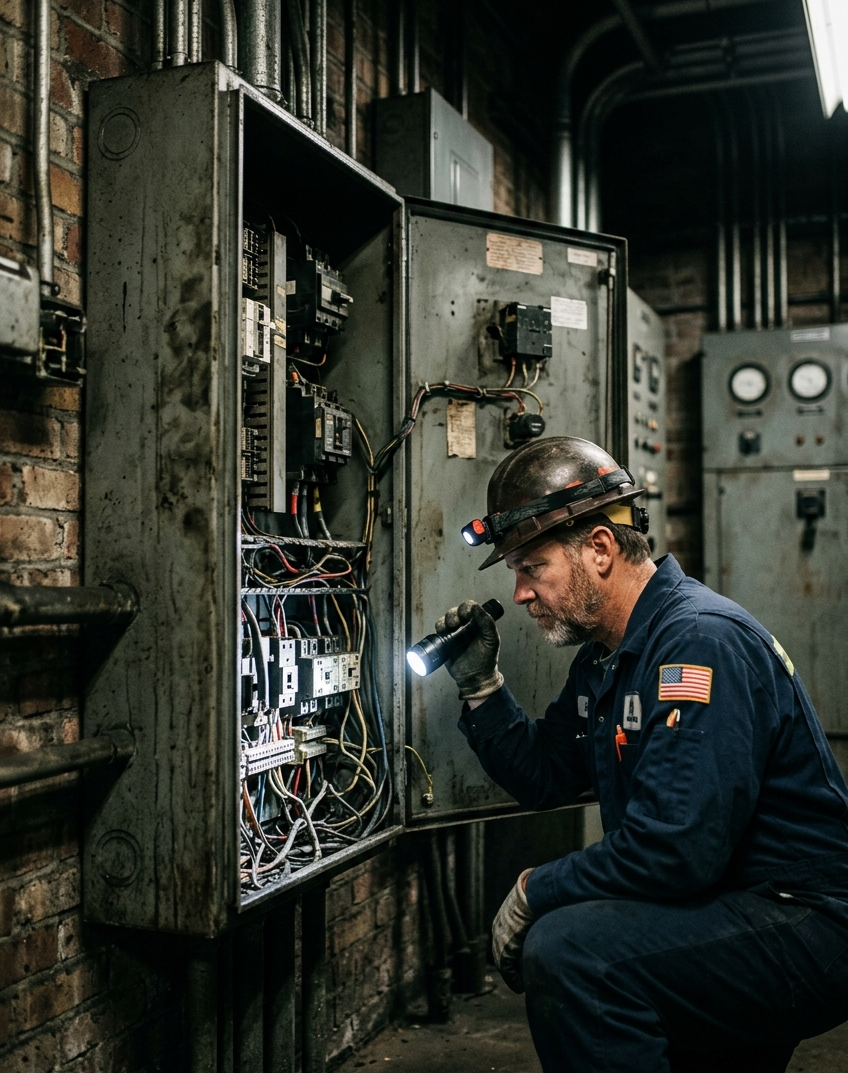
Electrical Panel Safety: Never Leave Open Knockouts or Enclosures
- Never attempt to seal an open knockout, install breaker filler plates, or replace panel covers unless you are a qualified electrician with proper authorization, since electrical enclosures must only be worked on by trained personnel.
- Never use tape, cardboard, plastic, or improvised materials to cover open holes in electrical boxes or panels because these materials do not provide safe or reliable protection.
- Never assume an open electrical panel or electrical enclosure is safe just because the system is still operating normally, since energized components remain exposed and can still cause serious injury.
- Never delay reporting an open electrical enclosure even if it seems minor, because small openings can quickly turn into serious electrical hazards when conditions change on the jobsite.
- Never ignore risks such as moisture, dust, debris, pests, or dropped tools entering an open enclosure, as these can create immediate electrical safety hazards and equipment failure risks.
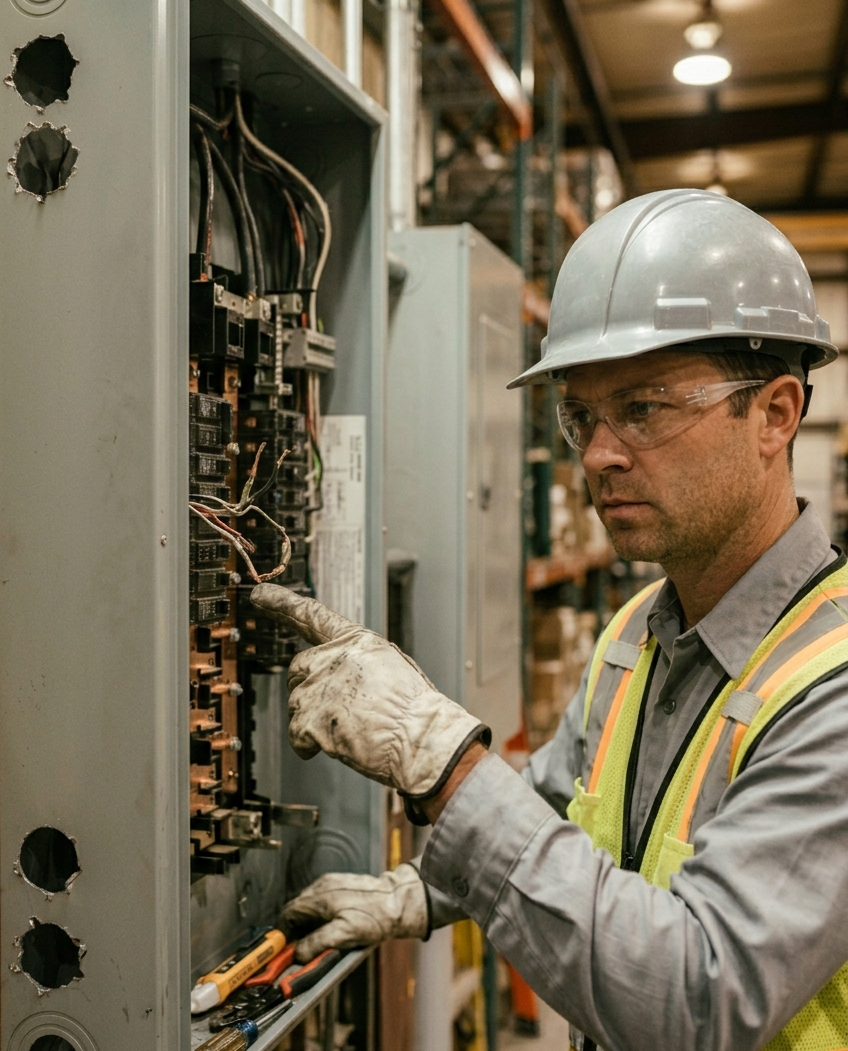
Before you leave today's safety meeting: Please sign the attendance and certification form on the back of the printed handout. Your signature confirms you participated in this electrical panel safety training and understand the hazards discussed. Are there any questions or comments regarding today's discussion? Thank you for attending.
Toolbox Talk & NEC Standards That Require Sealing Open Holes in Electrical Panels
Toolbox Talk Electrical safety standards and the National Electrical Code (NEC) require that all unused openings in electrical enclosures are properly closed and protected. Open holes in electrical panels are not acceptable because they create clear electrical safety risks in the workplace.
This toolbox talk helps ensure workers understand the importance of identifying and reporting electrical enclosure hazards so they can be corrected quickly. It also supports clear communication on electrical panel safety responsibilities and helps maintain a safer work environment through proper hazard awareness and reporting.
Explore Related Electrical Safety Toolbox Talks
Download This Free Electrical Panel Safety Toolbox Talk PDF
Get a print-ready electrical panel safety guide for toolbox talks and safety meetings. It helps reinforce awareness of open electrical panel hazards, unsealed enclosures, and proper reporting practices in a simple, practical format. Includes a PDF with employee sign-off sheet for quick training documentation. Perfect for supervisors and teams to improve electrical safety awareness and hazard prevention. No registration required, no cost, and ready to download, print, and use immediately.