
Listing and Labeling Requirements Toolbox Talk Electrical Equipment Safety
Electrical equipment is tested and certified for a reason, and using it outside of those listed instructions is a serious safety violation. This free toolbox talk covers government electrical listing and labeling requirements, explains what “listed and labeled” really means for workers on the job, and walks through common examples of electrical equipment being misused on real jobsites.
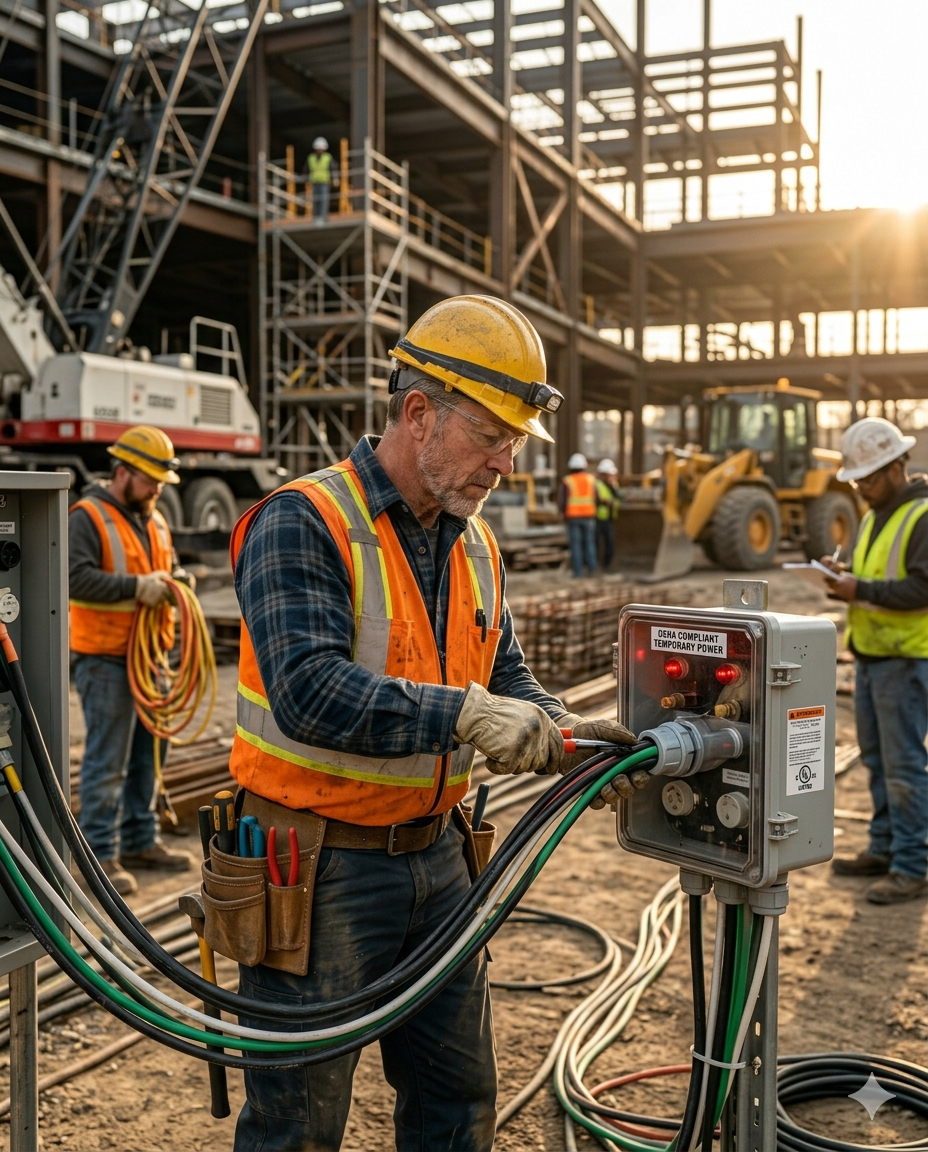
Basic Electrical Safety: Listing & Labeling Requirements
It is not uncommon for electrical devices or components to be used, whether by mistake or on purpose in ways they were never designed for. The question is: how do we know what is acceptable use and what is not?
All electrical equipment must only be used in accordance with its listed instructions. That requirement exists because most electrical products undergo independent testing by organizations such as Underwriters Laboratories (UL) before they ever reach a jobsite. When a product passes that testing, it receives a label and comes with instructions that define exactly how it can be safely used. Those instructions are not suggestions as they are a core part of the product's safety certification.
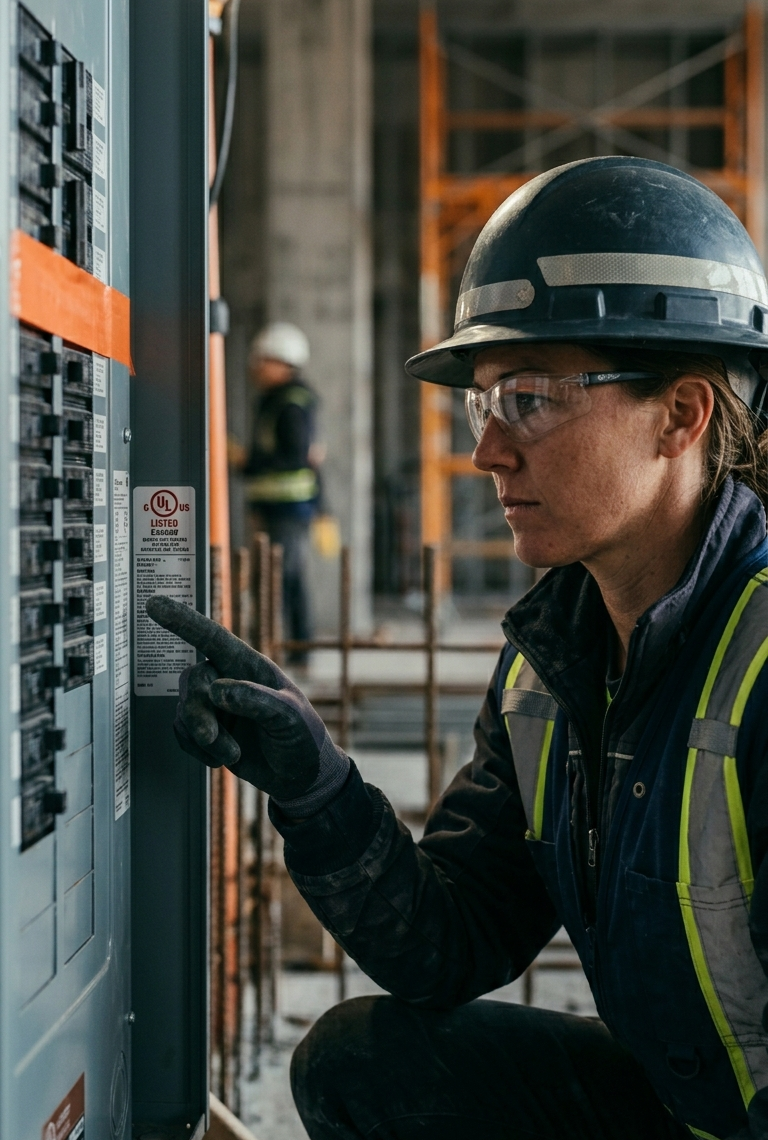
What does "listed and labeled" actually mean? A product that is listed has been evaluated by a nationally recognized testing laboratory (NRTL) and found to meet specific safety standards for its intended use. A product that is labeled carries a mark from that testing organization — such as a UL mark along with instructions that define the safe conditions of use. Using a listed product outside of those conditions removes the safety assurance the listing was meant to provide.
How the Listing & Certification Process Works
✓ Listed & Properly Used (Toolbox Talk Standard)
- The equipment is tested and certified by a recognized NRTL (such as UL) to confirm it meets required safety standards for electrical use
- It is clearly marked with a certification listing label, showing it has been independently evaluated for safety and performance
- The manufacturer’s instructions are provided and clearly define approved applications, ensuring proper and intended use in the workplace
- The equipment is used strictly within its listed and labeled purpose, without any modification, alteration, or unsafe adaptation
- All installation and use practices follow recognized electrical safety standards and industry-accepted guidelines for safe operation
- This ensures the equipment supports safe electrical performance and reduces workplace hazard risk when used as intended
✗ Not Listed or Improperly Used (Toolbox Talk Standard)
- The equipment has no verified independent safety certification or testing, meaning its electrical safety performance cannot be confirmed
- The equipment is being used outside its listed and approved application, which increases the risk of failure or unsafe operation
- Manufacturer instructions are missing, unavailable, or not being followed, removing critical guidance for safe use and installation
- Electrical hazard controls and safe operation standards cannot be guaranteed, increasing the likelihood of equipment malfunction or exposure risks
- This creates a serious unsafe electrical condition and elevated workplace hazard risk that requires immediate correction before use continues
How the Listing & Certification Process Works
The listing process exists to give workers, supervisors, and inspectors a reliable way to know whether a piece of electrical equipment is safe for a specific situation. When that process is bypassed or when equipment is used in a way the manufacturer and testing lab never evaluated there is no longer any independent assurance that the equipment is safe.
Common Examples of Electrical Equipment Being Misused on Jobsites
These are real situations where listed electrical equipment is regularly used in ways that fall outside its approved purpose like creating serious electrical safety compliance violations and putting workers at risk.
Important: In every one of these scenarios, the equipment may look like it is working correctly. That is exactly what makes misuse of listed electrical equipment so dangerous, as there may be no visible warning sign until a shock, fire, or equipment failure occurs.
Discussion question for your crew: These are just a few examples of electrical equipment being used outside of its listed purpose. Can anyone think of other situations where electrical devices are being misused on our job site? If you notice anything that doesn't look right, report it to your supervisor or safety representative so it can be corrected before it causes an incident.
What Workers Need to Know About Electrical Listing and Labeling
The core rule: Before you use any electrical device on this job site, make sure it is listed and labeled for the application you are putting it to. If you are unsure, do not use it, ask your supervisor. If you see electrical equipment being used in a way that seems wrong, report it immediately. It is never worth gambling on a piece of equipment being "close enough."
Toolbox Talk Electrical Equipment Safety and Proper Usage Rules
- Always check the equipment label before use, looking for recognized listing marks like UL, ETL, or CSA, and follow all manufacturer instructions for safe operation.
- Use electrical equipment only for its listed purpose, ensuring it is operated in the correct environment and within its rated load capacity.
- Immediately report any electrical equipment used outside its intended listing to your supervisor or safety representative for review and correction.
- Use only outdoor or construction-rated extension cords when working in harsh, wet, or outdoor environments, and always verify the rating on the label.
- Ensure GFCI protection is used on all temporary power circuits, especially in construction areas and any wet or damp working conditions.
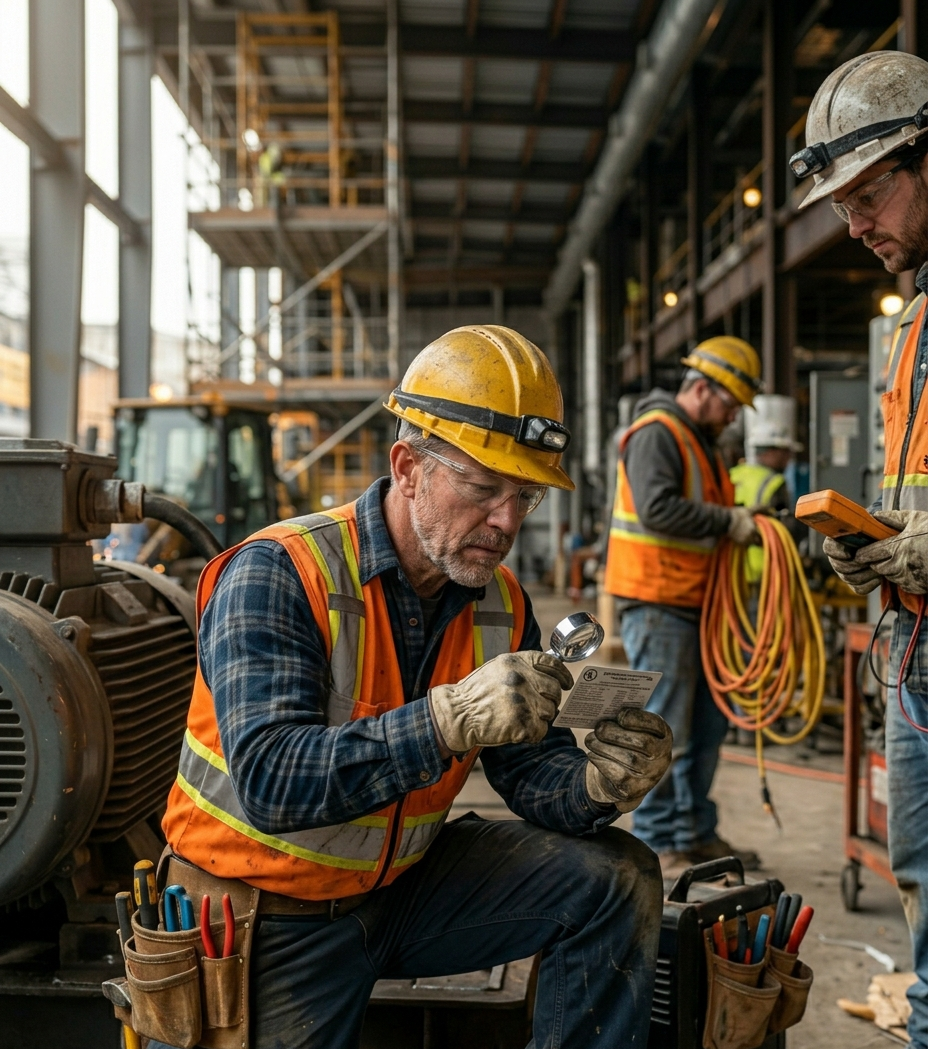
Toolbox Talk Unsafe Electrical Use and Common Mistakes
- Never use a power strip on a construction site or connect it to another power strip or extension cord, since daisy-chaining violates listing requirements and creates overload risk.
- Never use a standard outlet box attached to an extension cord as a temporary power source, because this is not a listed or approved electrical application.
- Never treat an extension cord as permanent wiring, since it is only listed for temporary use and can fail under long-term load conditions.
- Never use indoor-rated electrical equipment outdoors or in wet locations, since it is not designed or listed for exposure to harsh environments.
- Never assume equipment is safe just because it is working, since electrical misuse often has no visible warning signs before a failure or incident occurs.
Before you leave today's safety meeting: Please sign the attendance and training certification form on the back of the printed handout. Your signature documents that you participated in this reverse polarity electrical safety training and that you understand the hazards, protections, and reporting responsibilities covered. This record supports your employer's OSHA compliance documentation.
Electrical Safety Standards (Toolbox Talk Guidance)
Electrical safety standards, including widely recognized industry codes such as the National Electrical Code (NEC), require that all electrical equipment be properly listed, labeled, and used only according to its intended instructions.
This Toolbox Talk helps reinforce that equipment must never be used outside its approved purpose, and that proper listing and labeling practices are essential for preventing electrical hazards in the workplace.
By completing this training, workers gain a clearer understanding of how approved electrical equipment use, inspection, and compliance practices contribute to safer jobsite operations and reduced risk of electrical incidents.
More Talks in the Basic Electrical Safety Series
Download This Free Electrical Listing and Labeling Safety Toolbox Talk
Get a print-ready electrical safety training guide that explains listing and labeling requirements for safe equipment use on the jobsite. It is designed for quick use in safety meetings and crew briefings to improve awareness of approved electrical equipment and reduce misuse risks. Includes a PDF with employee sign-off sheet to help document training and reinforce consistent electrical safety practices across your team. No registration, no cost, and ready to download, print, and use immediately.
Frequently Asked Questions For Electrical Listing and Labeling Requirements Toolbox Talk
This section answers common questions from supervisors and workers after completing this Toolbox Talk on electrical listing and labeling requirements. It helps clarify how to identify approved electrical equipment, understand certification markings, and follow safe usage practices on the jobsite.
When electrical equipment is described as listed, it means it has been tested by a recognized safety certification body (NRTL) such as UL, ETL, or CSA and confirmed to meet specific safety standards for its intended use. When it is labeled, it carries a visible certification mark that identifies the product as approved, along with instructions that explain how it must be safely used.
In simple terms, listed and labeled equipment is designed to be used only within its approved conditions. Using it outside those conditions removes the safety assurance it was certified for and can create serious electrical hazards in the workplace.
Standard electrical outlet boxes are listed and labeled for permanent installation on fixed building structures such as walls, floors, ceilings, or approved electrical systems.
They are not designed or approved for attachment to flexible cords or temporary power setups, and using them this way places the equipment outside its intended listing.
When an outlet box is used in a hanging or mobile configuration, it is exposed to mechanical stress, movement, and electrical strain that it was never evaluated to handle.
Any outlet box found in this condition should be removed from service immediately and reported to a supervisor so it can be corrected before use continues.
A Nationally Recognized Testing Laboratory (NRTL) is an independent safety organization that tests and certifies electrical equipment to confirm it meets established safety standards. These certifications are what allow equipment to carry a recognized listing mark, showing it has been evaluated for safe use.
Common NRTLs include UL (Underwriters Laboratories), ETL (Intertek), CSA Group, MET Laboratories, and TÜV SÜD America. Each of these organizations follows strict testing procedures to verify electrical safety, performance, and reliability.
Yes this Toolbox Talk and all materials on ToolboxTalk.com are completely free to use. Each downloadable PDF is ready to print and use in safety meetings and includes a simple employee sign off sheet for recording attendance and training.
Supervisors can easily document safety training with space for names signatures and dates helping keep workplace training organized and clear. No registration or subscription is required.