
Lockout Tagout Electrical Disconnect Safety Toolbox Talk Identifying Breakers and Switches
When electrical equipment needs maintenance or repair, workers must first shut off power using the correct disconnect switch or circuit breaker. This step is critical for preventing unexpected startup and protecting workers from electrical hazards. The challenge is simple but serious: in many workplaces, it is not always obvious which breaker controls which equipment. This electrical disconnect safety toolbox talk explains how to properly identify disconnecting means, why correct labeling matters, and what every worker must do when breaker markings are missing, unclear, or outdated.
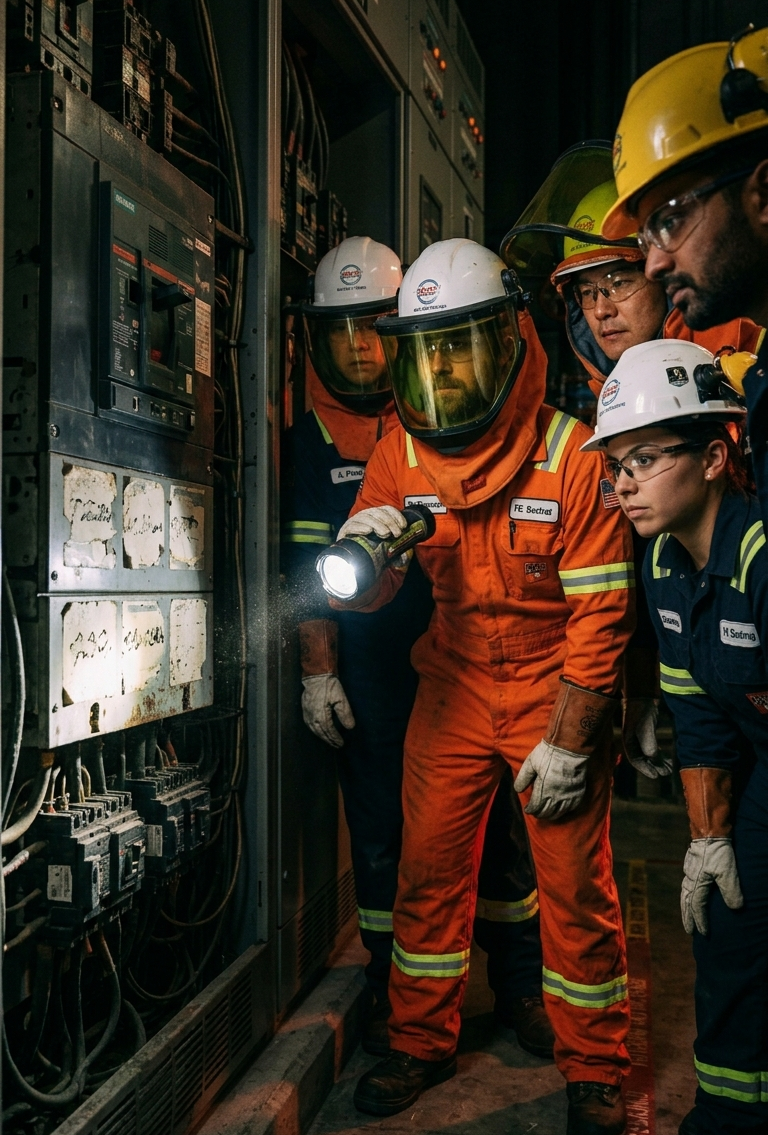
Electrical Disconnect Safety Topic For Lockout Tagout and Breaker Identification Guide
In many workplaces, authorized employees and outside technicians must shut off electrical power to equipment and fixtures before performing maintenance or repairs. This is a critical step in preventing accidental electrocution and unexpected equipment startup. But there is a problem that many workers face every day: it is not always easy to determine which disconnect switch or circuit breaker controls a specific piece of equipment.
The wrong disconnect can be fatal. If an authorized worker shuts off the wrong breaker or disconnect, believing the circuit is de-energized. They may begin work on equipment that is still live. Electrical contact with energized components can cause severe burns, cardiac arrest, and death. Correct breaker identification is not a convenience; it is a life-safety requirement.
For this reason, electrical standards require that most disconnecting means that the switches, breakers, and other devices used to cut power to motors, appliances, and electrical systems be clearly identified. These labels must indicate what equipment or circuit they control, and they must be placed at the source of the circuit as well as at any related disconnects or over-current protection devices.
Properly Labeled vs. Unlabeled Disconnecting Means
Properly Labeled Electrical Disconnect
- Breaker clearly labeled such as HVAC UNIT 2 or equivalent equipment identification
- Disconnect switch directly matches the correct equipment or system being controlled
- Labels are readable, durable, and kept current after any electrical system changes or updates
- Panel directories and breaker markings reflect the actual circuit layout in the facility
- Workers can confidently perform safe electrical isolation and lockout procedures without guesswork
- Equipment shutdown is verified quickly and accurately before any work begins
- Reduces risk of accidental energization during maintenance or troubleshooting tasks
Safe and properly labeled systems allow workers to complete electrical work with higher confidence, better efficiency, and improved workplace electrical safety compliance practices.
Unlabeled or Unclear Electrical Disconnect
- Breaker labeled UNKNOWN, missing, or completely blank with no circuit identification
- Workers must guess which breaker controls the equipment or system
- Incorrect breaker shutdown may leave equipment unintentionally energized
- Maintenance work may begin on live electrical circuits without verification
- Outdated or incorrect panel labeling leads to confusion during electrical isolation
- Delays occur when outside technicians cannot confirm correct disconnect points
- Increased risk of electrical shock, arc flash exposure, and equipment damage
Unlabeled electrical disconnects represent a serious electrical hazard condition because they remove the worker’s ability to confirm safe de-energization before performing work.
This identification requirement applies to breakers, switches, and other control devices for service lines, feeders, and branch circuits that supply power to equipment such as lighting systems and receptacles. The only exception is when the function of the disconnect or breaker is already obvious due to its location, installation, or arrangement. In most workplace situations, that exception does not apply; the label is required.
Lockout Tagout Connection: Actual Hazards from Unlabeled or Unclear Disconnects
Proper electrical disconnect identification is the foundation of safe lockout procedures. Without accurate labeling, safe isolation cannot be guaranteed. Unlabeled disconnects should always be treated as a serious electrical safety concern and reported immediately.
Remember: When a disconnect is unlabeled, the worker on the other end of the circuit has no reliable way to confirm the equipment is de-energized. Every one of these scenarios begins with a label that was missing, faded, or wrong.
What Every Worker Must Know and Do for Electrical Disconnect Safety
✅ The most important rule: If you find a disconnect, breaker, or control device that is missing its label, has faded or unclear markings, or appears to have been changed since it was last labeled; do not attempt to relabel it yourself unless you are specifically authorized to do so. Report it to your supervisor or safety representative so a qualified electrician can trace the circuit and ensure the identification is correct.
Safe and Acceptable Label Conditions
- Labels clearly identify the exact circuit or equipment being controlled, not just numbers or vague descriptions
- Markings are easy to read from a normal working distance without needing to guess or get closer
- Labels are securely attached and resistant to wear, heat, moisture, and cleaning chemicals
- Panel directories accurately match the current electrical system layout, especially after upgrades or renovations
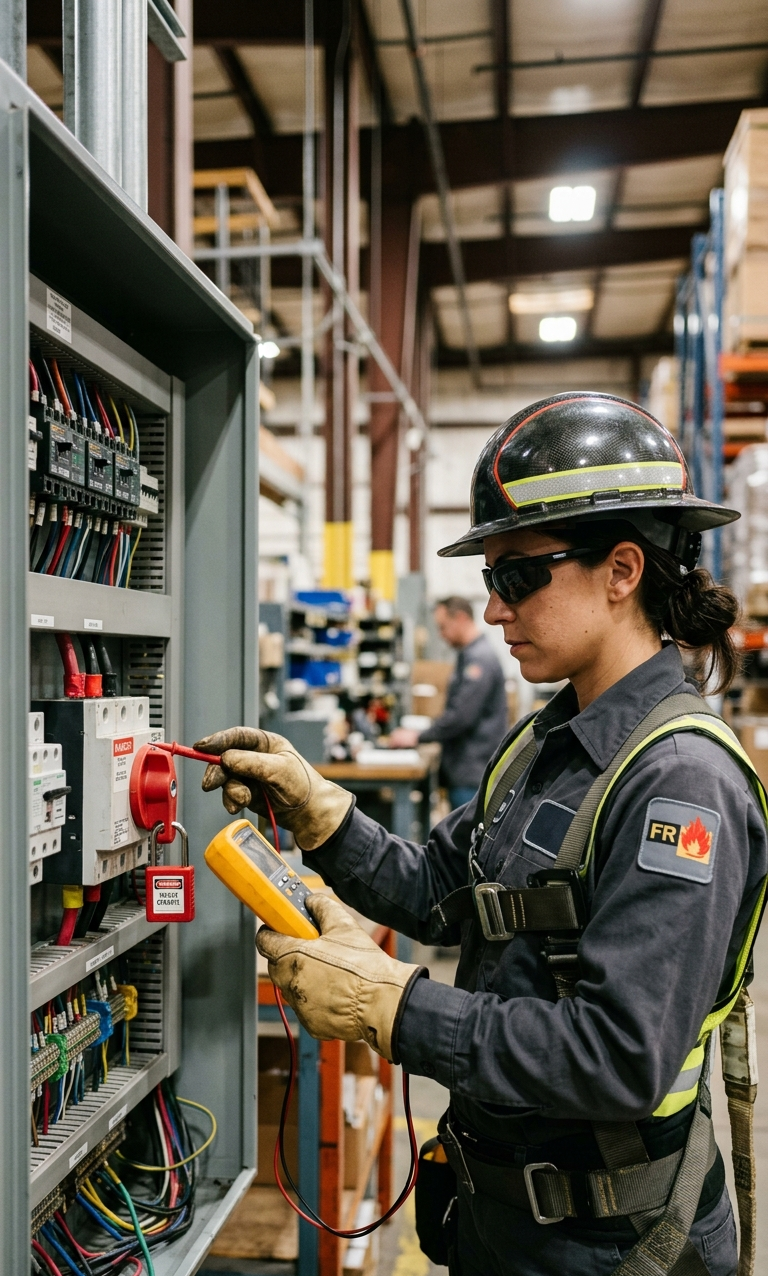
Unsafe or Unacceptable Label Conditions
- Breakers labeled only as “Spare,” “Unknown,” or left completely blank without identification
- Handwritten labels that are faded, smudged, or no longer readable under normal working conditions
- Tape labels or temporary markings that have peeled off, shifted, or left behind unreadable residue
- Outdated labeling that does not match the actual circuit configuration of the electrical system
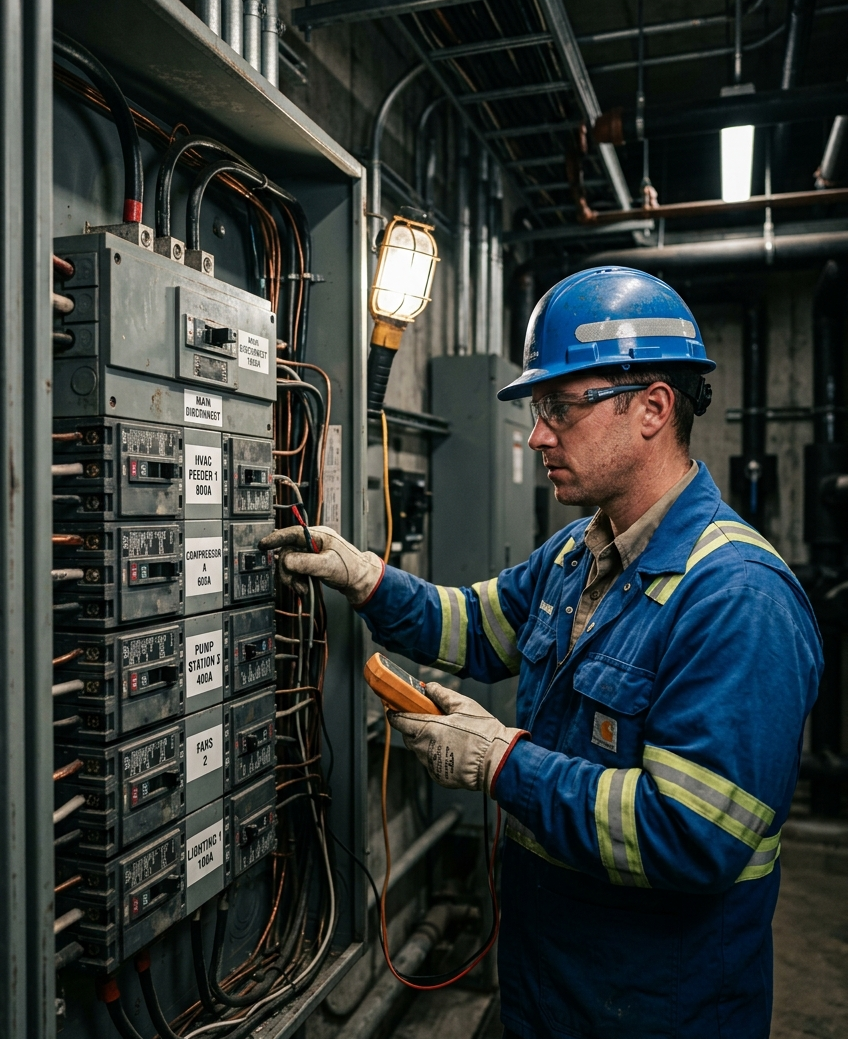
Lockout/Tagout connection: Proper electrical disconnect identification is the foundation of every lockout/tagout procedure. LOTO only works if workers can correctly identify the isolation point. If the disconnect or breaker is not clearly labeled, the entire lockout/tagout process is compromised before it begins. Report unlabeled disconnects as urgently as you would report any other serious electrical safety hazard.
Before you leave today's safety meeting: Please sign the attendance and certification form on the back of the printed handout. Your signature confirms you participated in this electrical disconnect safety training and understand the identification requirements discussed. This record is kept for Toolbox Talk documentation.
Electrical Safety Standards for Disconnect Identification
Clear identification of electrical disconnecting means and circuit breakers is essential for safe electrical work. Proper labeling allows workers to correctly identify equipment before performing electrical isolation, maintenance, or shutdown procedures, reducing the risk of serious electrical incidents.When disconnects or breakers are missing labels, incorrectly marked, or unclear, the chance of incorrect shutdowns and unexpected energization increases. This can expose workers to live electrical parts during maintenance activities.This Toolbox Talk reinforces the importance of accurate electrical panel labeling and breaker identification so workers can safely verify de-energized equipment before starting work and report any unclear or missing identification immediately.
More Talks in the Basic Electrical Safety Series
Download This Electrical Disconnect Safety Talk Free
Get instant access to a print-ready electrical disconnect safety toolbox talk PDF designed to support clear, practical electrical shutdown training and breaker identification safety in the workplace. This free resource helps workers understand how to correctly identify disconnecting means, circuit breakers, and electrical isolation points before starting maintenance or repair work. It also includes a simple employee sign-off sheet so supervisors can easily document safety meeting attendance and training completion.
Frequently Asked Questions About Reverse Polarity Electrical Safety
Get quick answers to real workplace questions raised by workers and supervisors after this electrical safety meeting, and strengthen everyday electrical hazard prevention.
Understanding and correctly identifying a disconnecting means and circuit breaker system is essential for maintaining a safe work environment. Proper labeling, accurate identification, and consistent verification ensure that electrical energy can be safely controlled before maintenance or repair work begins. This reduces risk, improves efficiency, and supports stronger workplace electrical safety practices across all operations.
Clear and accurate identification of electrical disconnecting means is a key part of safe electrical work. Most circuit breakers, service disconnects, feeder disconnects, and panelboard circuits must be clearly labeled so workers can easily match each control to the equipment it serves.
In rare cases, labeling may not be needed when the disconnect is installed directly on the equipment and its purpose is obvious with no chance of confusion. However, in most workplaces with multiple systems and overlapping circuits, clear electrical breaker labeling and disconnect identification is still required to prevent mistakes during shutdown and maintenance.
Proper identification supports safe electrical isolation and lockout procedures, helping workers avoid incorrect shutdowns, unexpected energization, and serious electrical hazards.
Yes, this Toolbox Talk and all materials on ToolboxTalk.com are completely free to use. Each downloadable PDF is designed in a clean, print ready format that is easy to use in safety meetings and includes a simple sign off sheet for recording attendance, names, signatures, and dates.
Supervisors can easily document workplace safety training and keep records organized for internal safety programs and audits. No registration or subscription is required, just ready to use electrical safety training content for your team.